Today’s post comes with a giant 🤓nerd-alert🤓, as I discuss technical details in an evolving World of imaging, applied to car geekery.
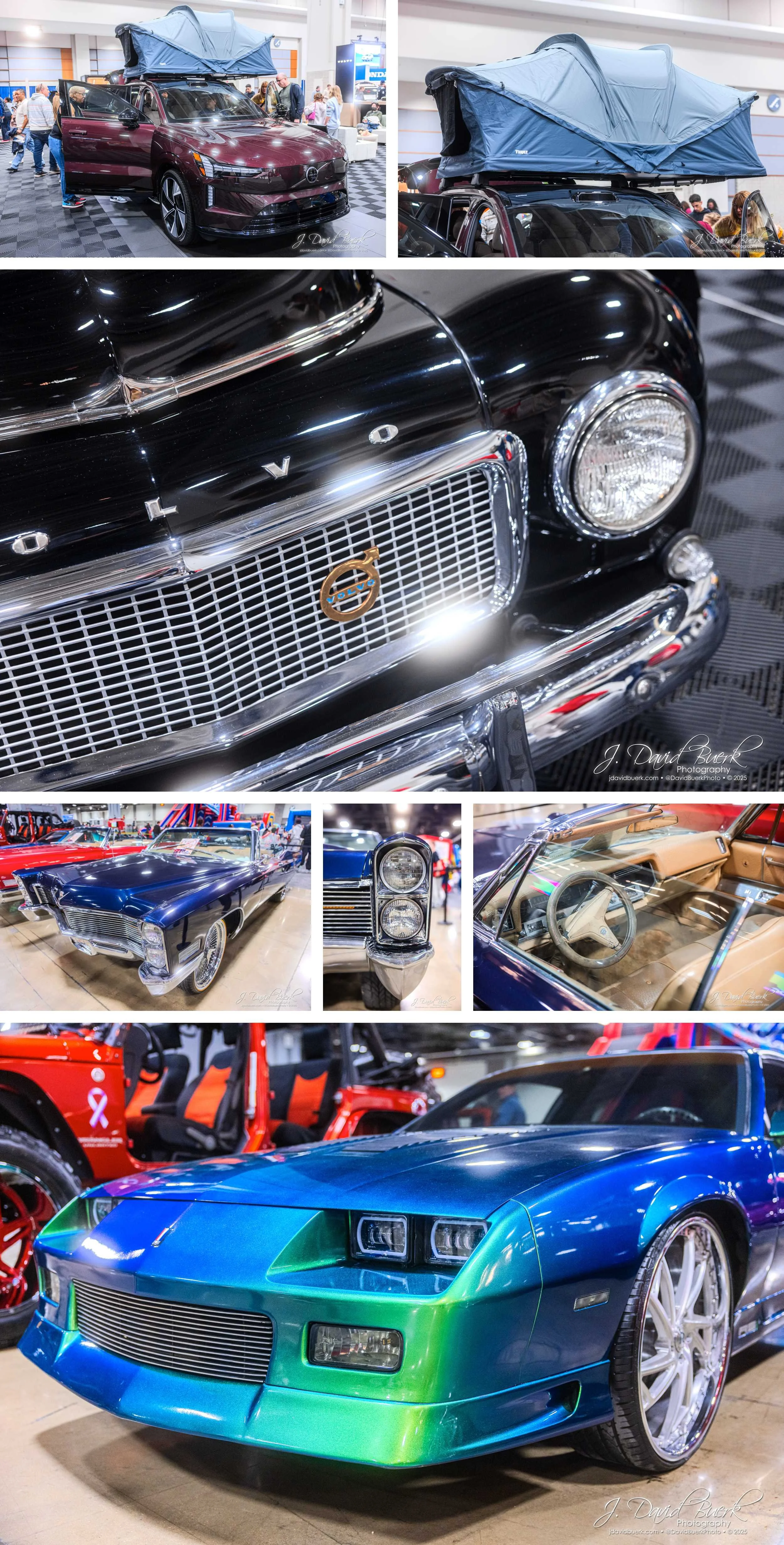
Like most years at the Washington Auto Show, I spent my time at 2025’s expo exploring the show floors with a camera, using the event to casually experiment and hone skills in between exploring the latest automotive offerings. Practicing upcoming techniques in no-pressure situations is a great risk-free way to keep skills on the cutting edge.
Last year I gathered footage to practice with my HDR video editing workflow. This year I did the same with some proper 120fps footage, and also edited all still images from the day in HDR, as HDR still formats are upcoming and I like always staying knowledgeable and prepared.
I’ve edited several personal photosets in HDR to practice and learn how the new formats accommodating expanded range of luminance is currently able to be edited and to ensure backward compatibility with SDR displays - for video, HDR is widely available and supported, with practically all new TVs and productions available in HDR formats. Photos, surprisingly, however, are supporting HDR after video, with the format war still raging on; the predominant image format and paired colorspace has not been determined yet.
HEIF/HEIC seems to be the best choice, closely related to the HEVC video standard most end-user and web HDR video is deployed as: its high efficiency compression and support of gain maps and modern colorspaces like P3, however end-user support is still limited so it has not flourished except for Apple’s usage encouraging support to expand. AVIF is a similar format that is promising, but even less widely supported than HEIC. JPEG XL is not new, but is a much modernized expansion of the original staple JPEG format. Then there is finally standard JPEG, which can be encoded with a gain map to enable HDR on HDR-compatible devices and applications, and is backwards compatible with SDR in the existing standard, however it is the least efficient of these filetypes, and gain maps are something of a tack-on making these files not always interpreted correctly by some applications.
Possibly a larger issue is how HDR stills can currently be edited. One can edit a RAW file in HDR using the standard color and contrast edits we all know and love, however editing software may also offer SDR compatibility proofing and grading, which I’ve found is not able to exactly match the HDR grade - this is a critical shortcoming in terms of backward compatibility, and ensuring a consistent deliverable to end-users. Furthermore, editing HDR images in Photoshop and maintaining the correct grading and luminance mapping is spotty, with use of Generative AI tools strangely returning SDR results in Photoshop while the same generative utilities used in Lightroom directly on a RAW file returning HDR results (or a result that is at least properly mapped to the image’s luminance - I must assume it is generating an SDR image and an HDR gain map to pair).
In short, despite HDR video being widely supported, support of HDR still images is still extremely limited, and is not currently ready for widespread use: compatibility is king, and SDR still images are still the standard one should be using for anything mission-critical, ie client deliverables.
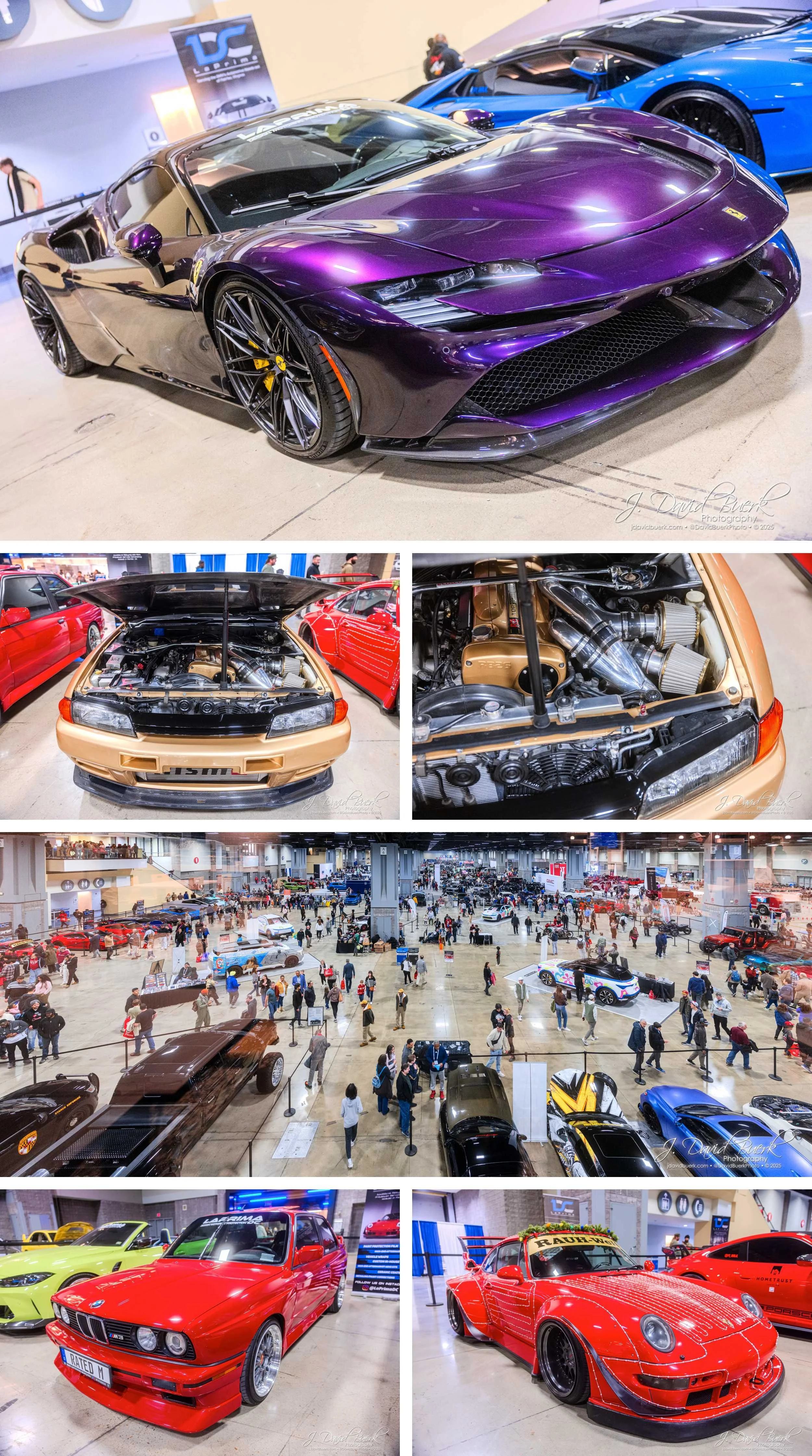
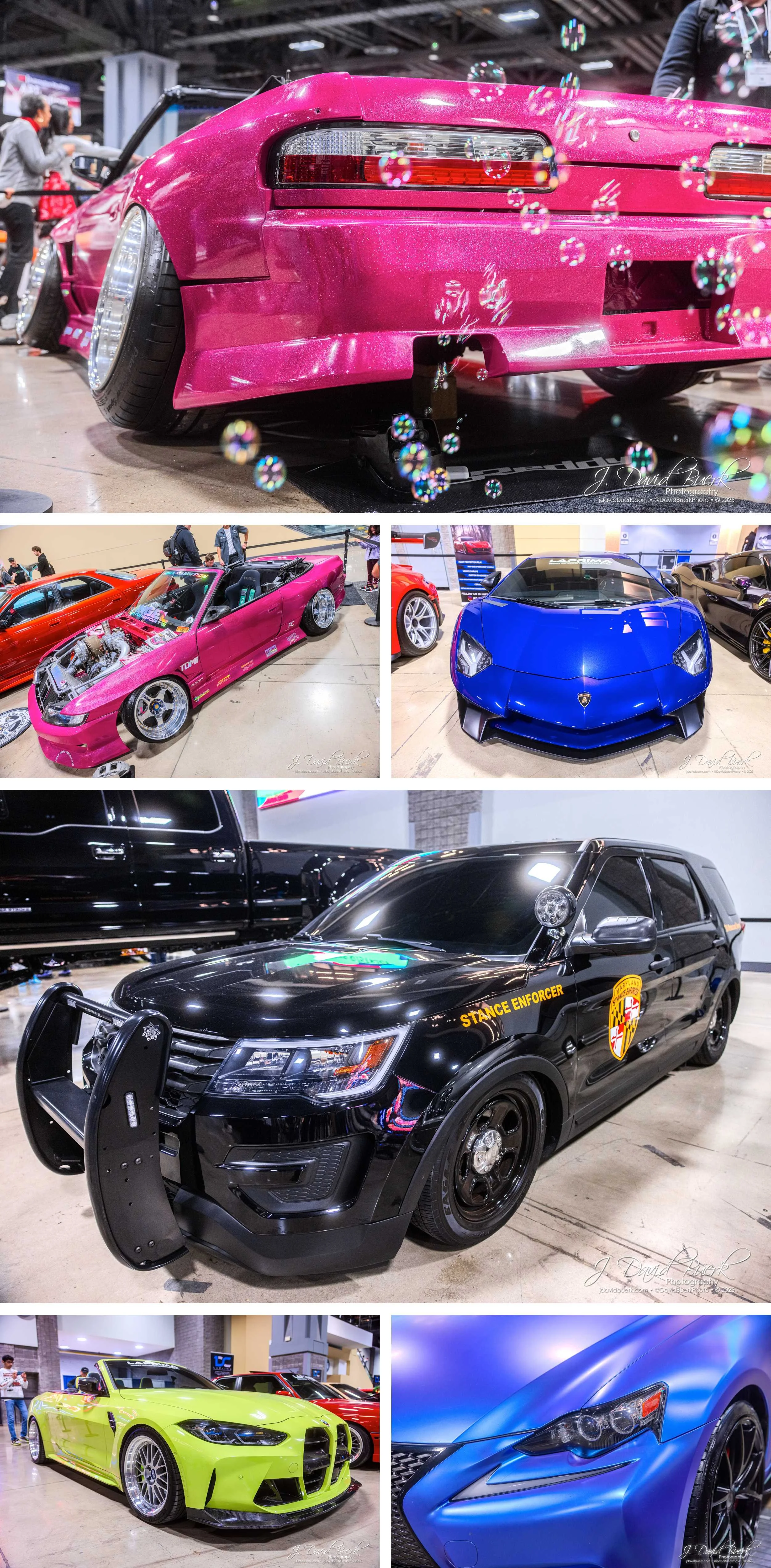
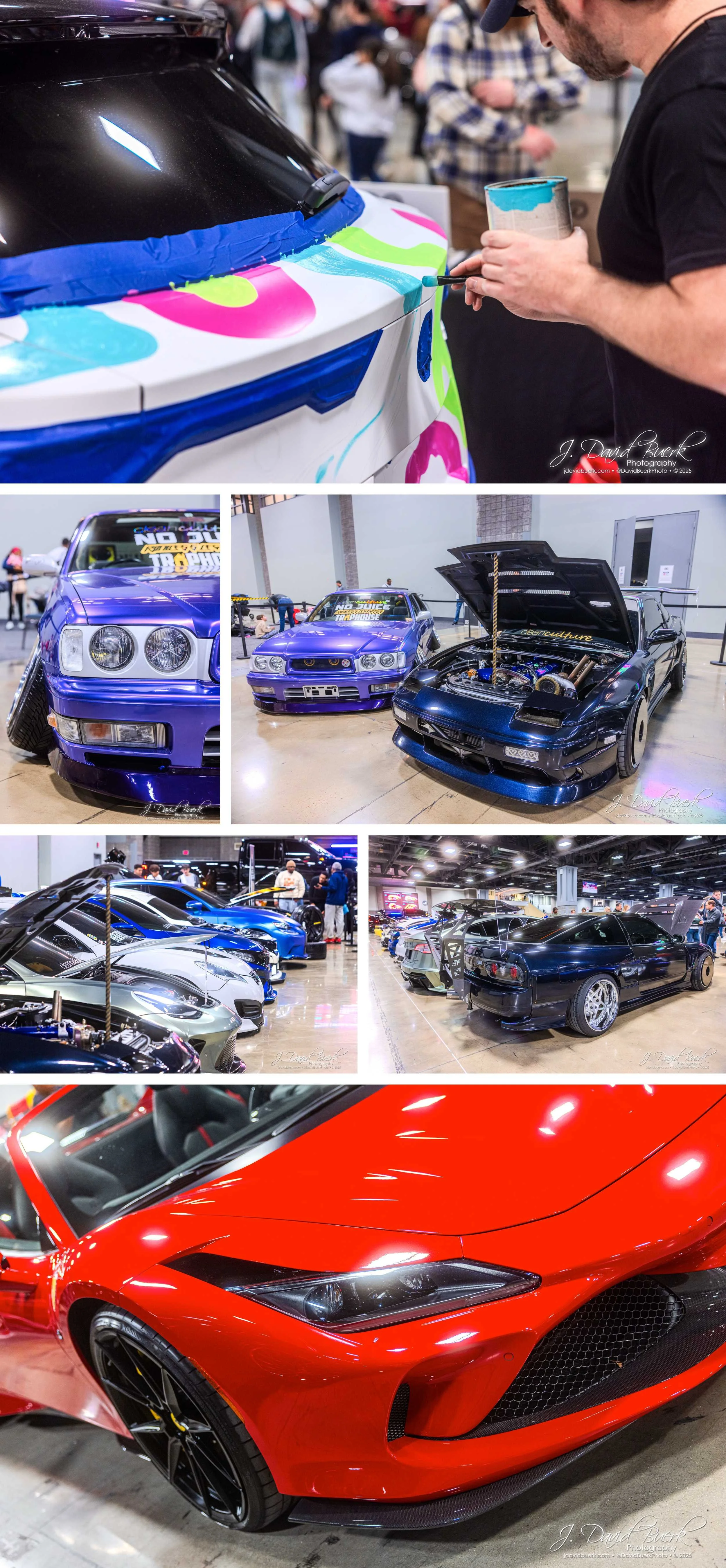
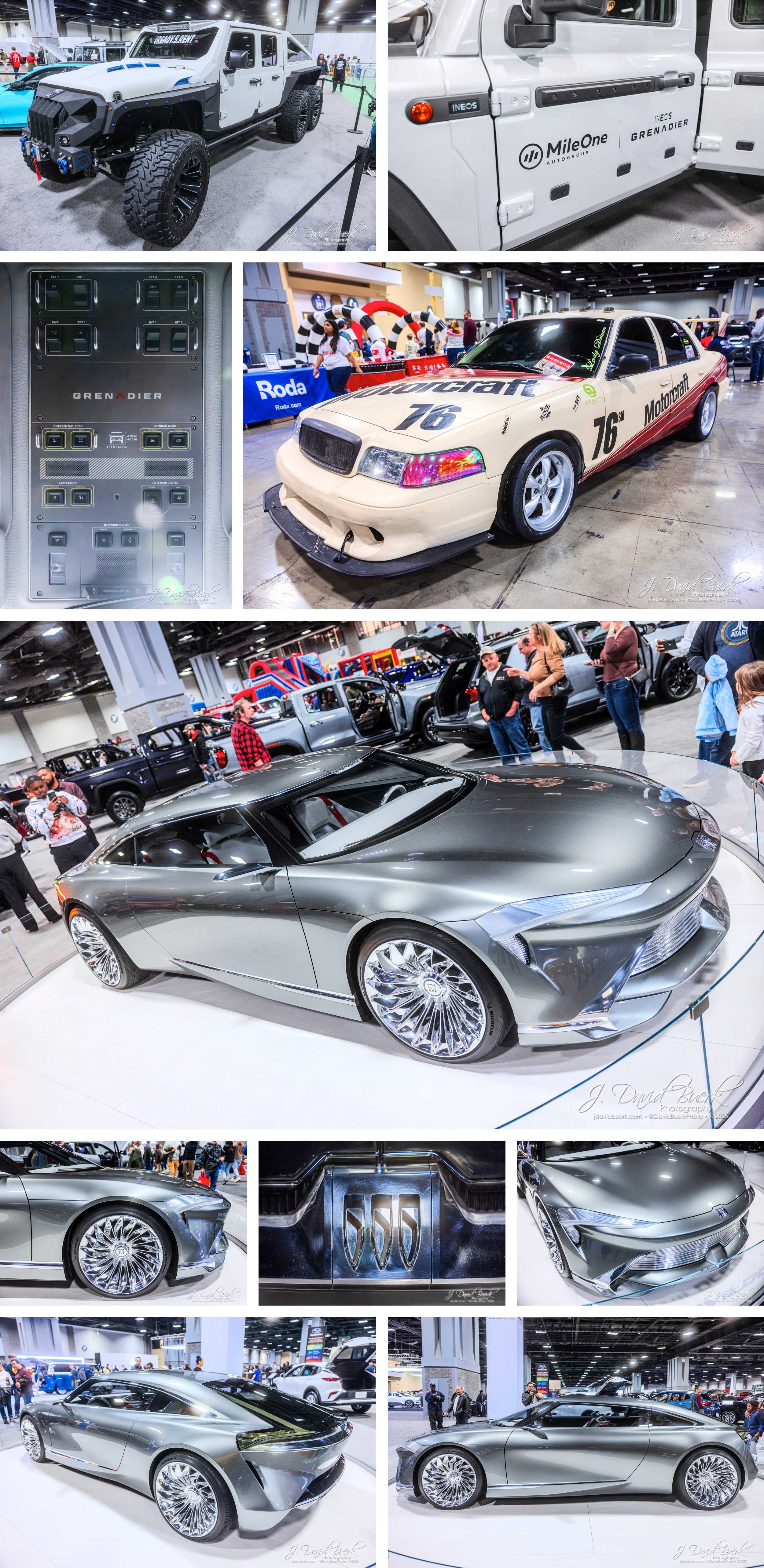
NOTE: The images in this post are NOT HDR; they are SDR-only; my hosting provider currently does not support HDR filetypes, as it converts all uploaded media to standard SDR JPEGs for web efficiency - hopefully some day in the future HDR data will not be stripped, and modern filetypes will be supported. These images were natively tone-mapped on export for viewing in SDR as close as possible to their HDR versions.