Blog

The official photo blog of J. David Buerk Photography.

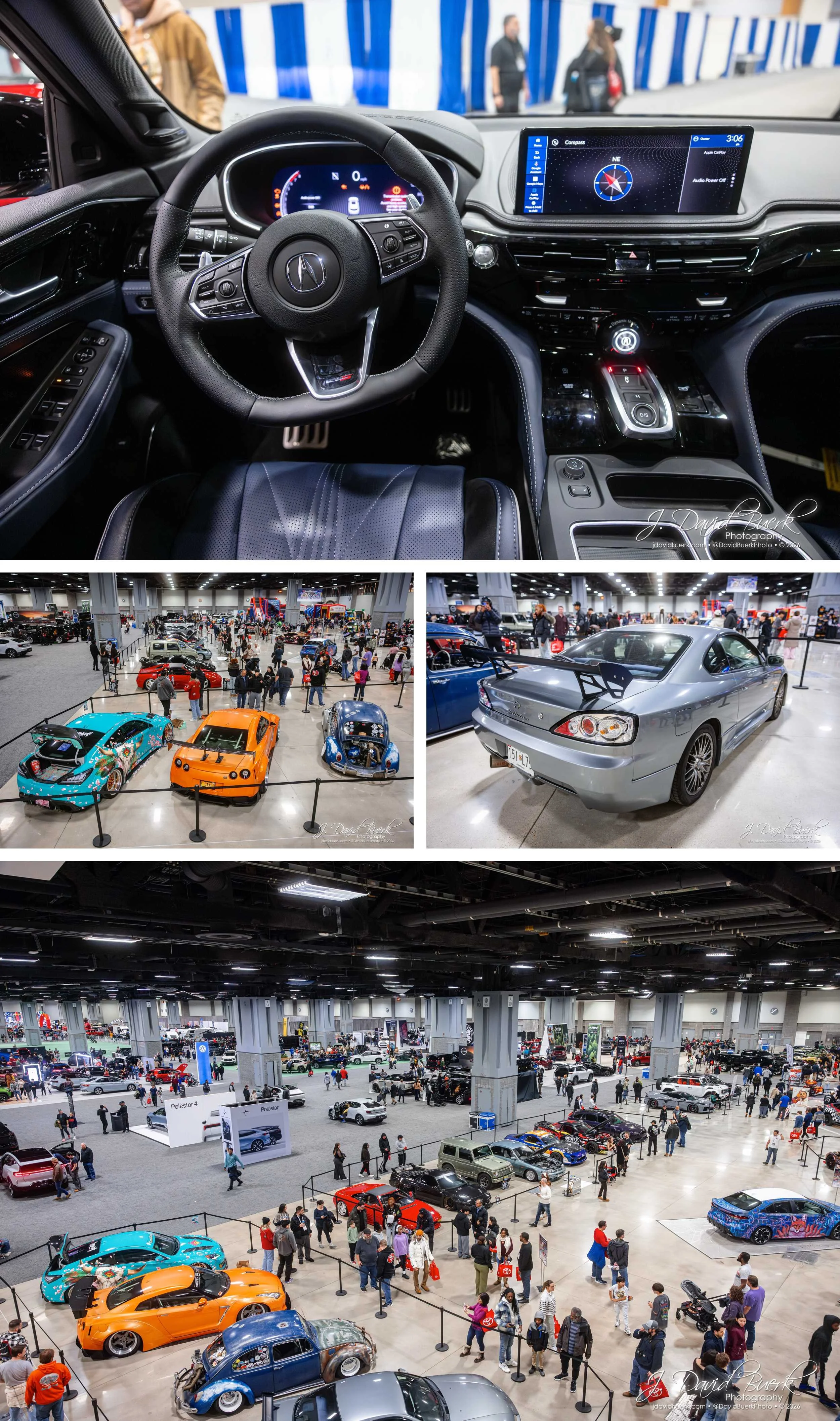
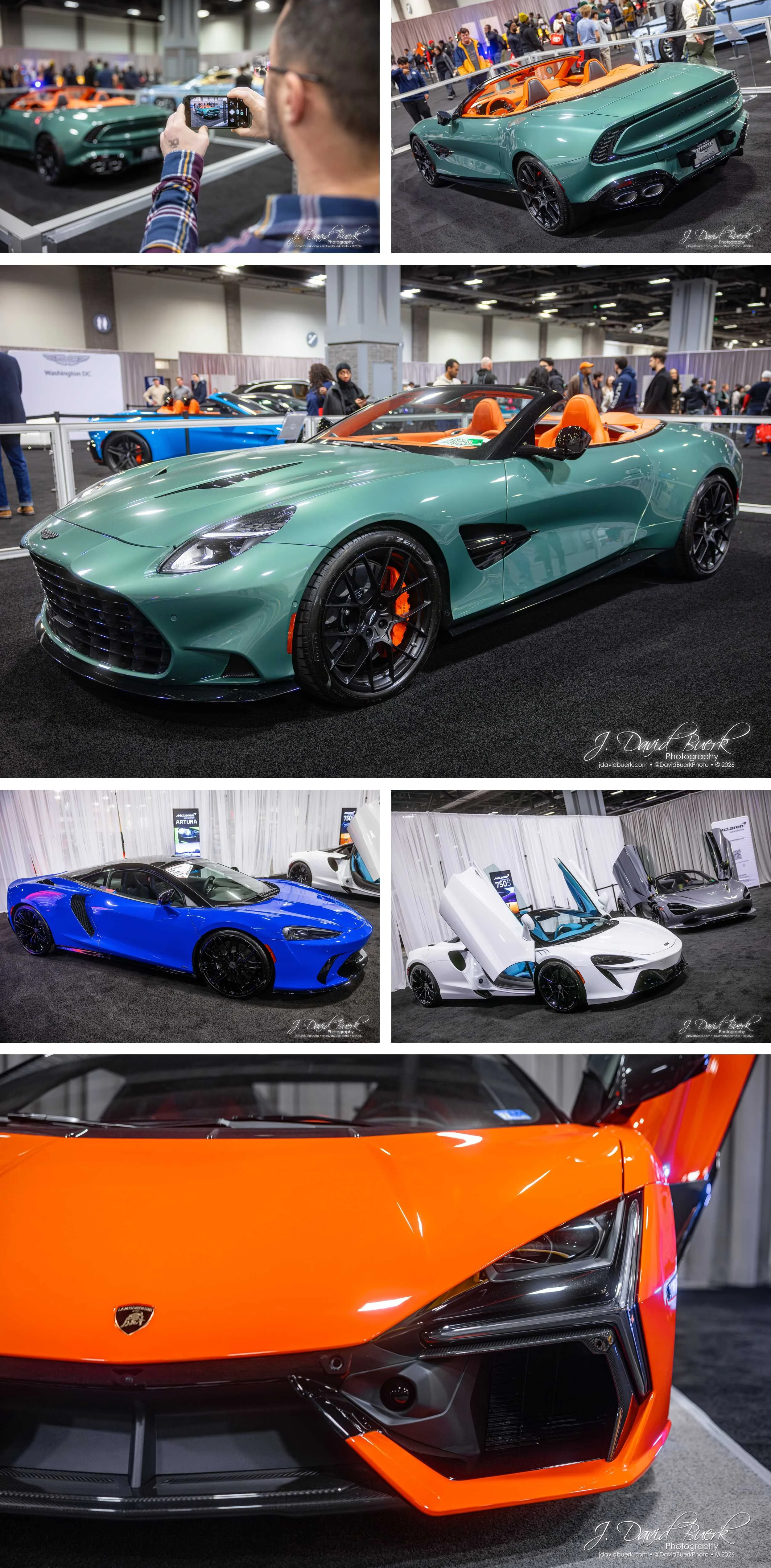
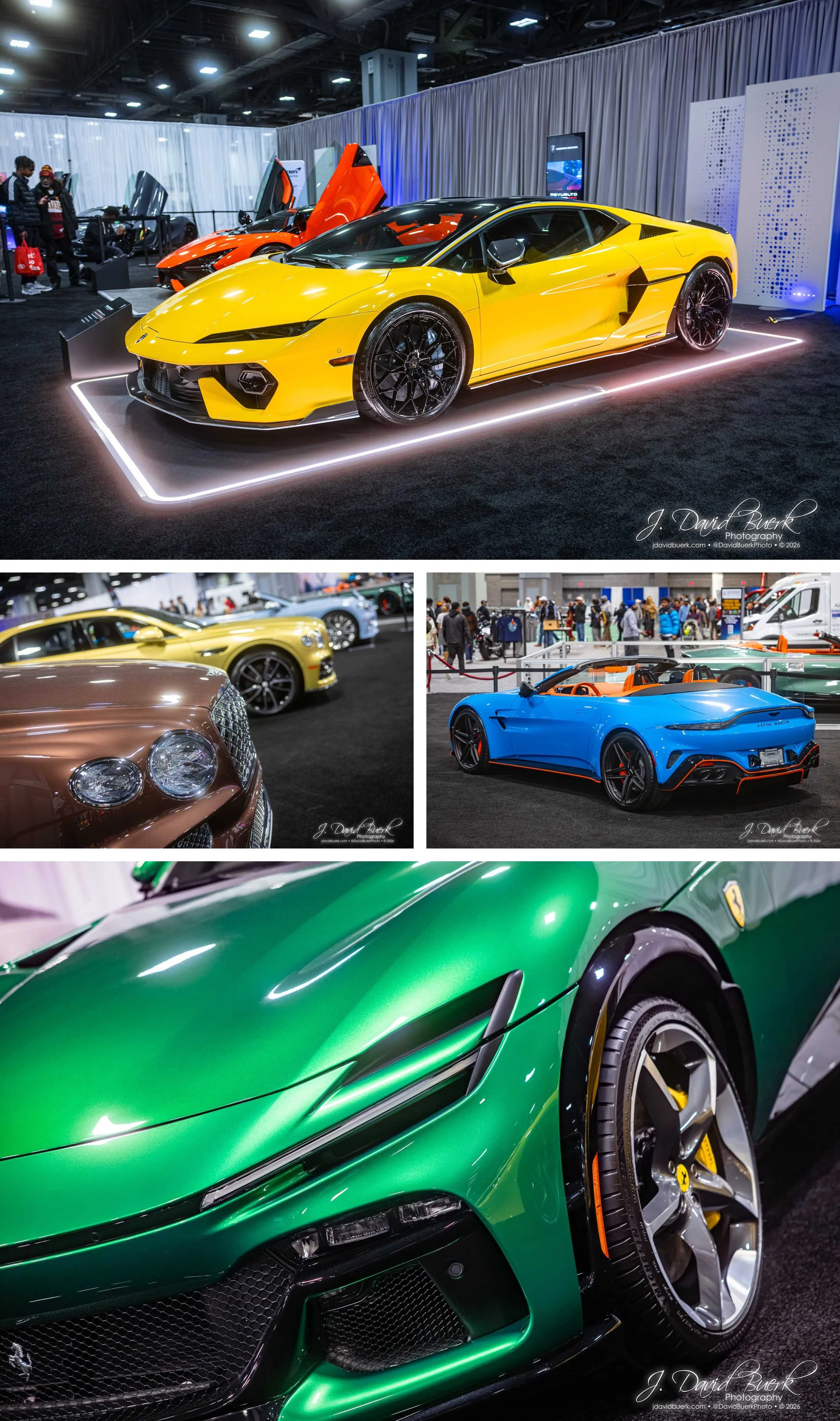
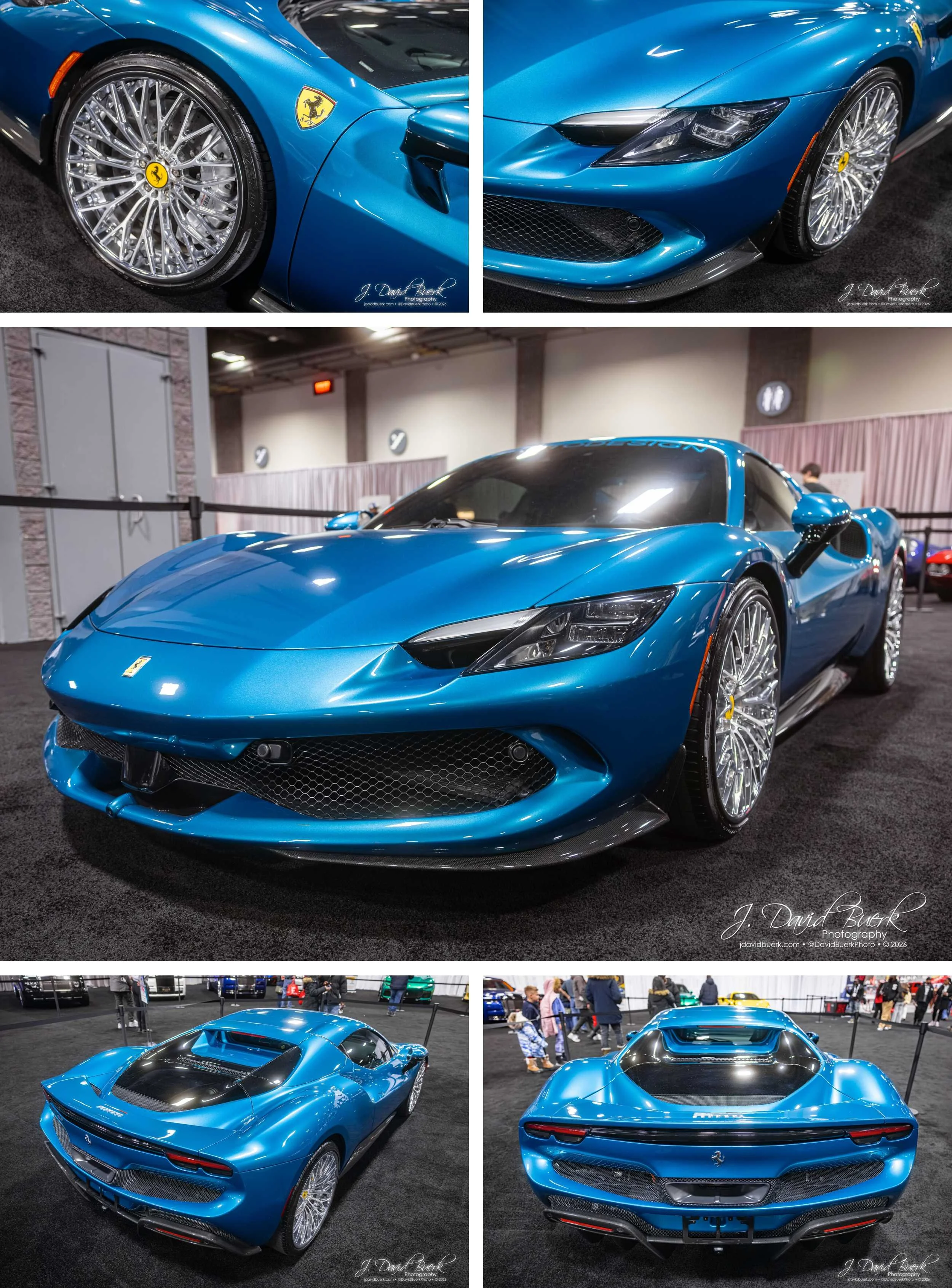
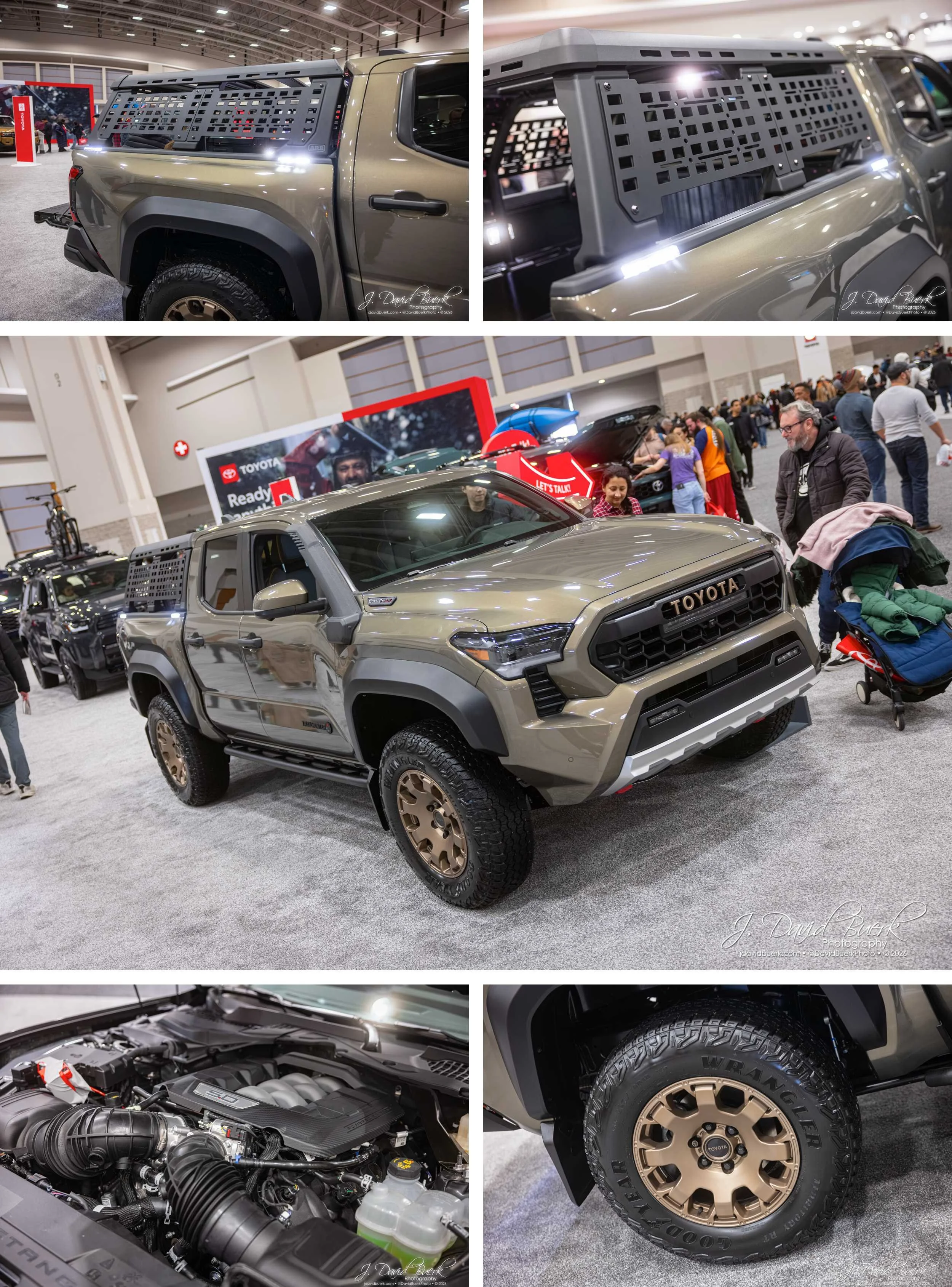
2026 Washington Auto Show

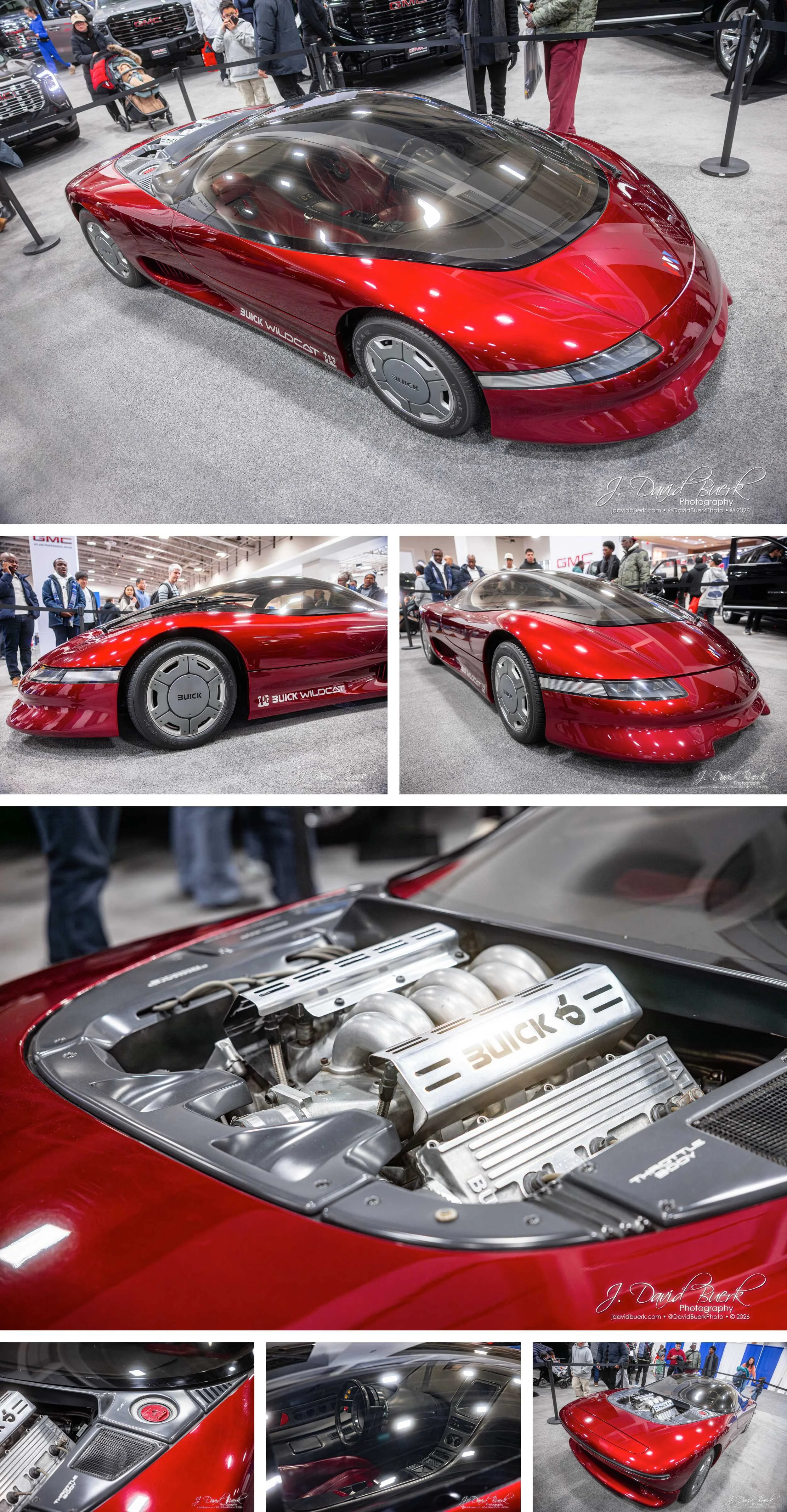
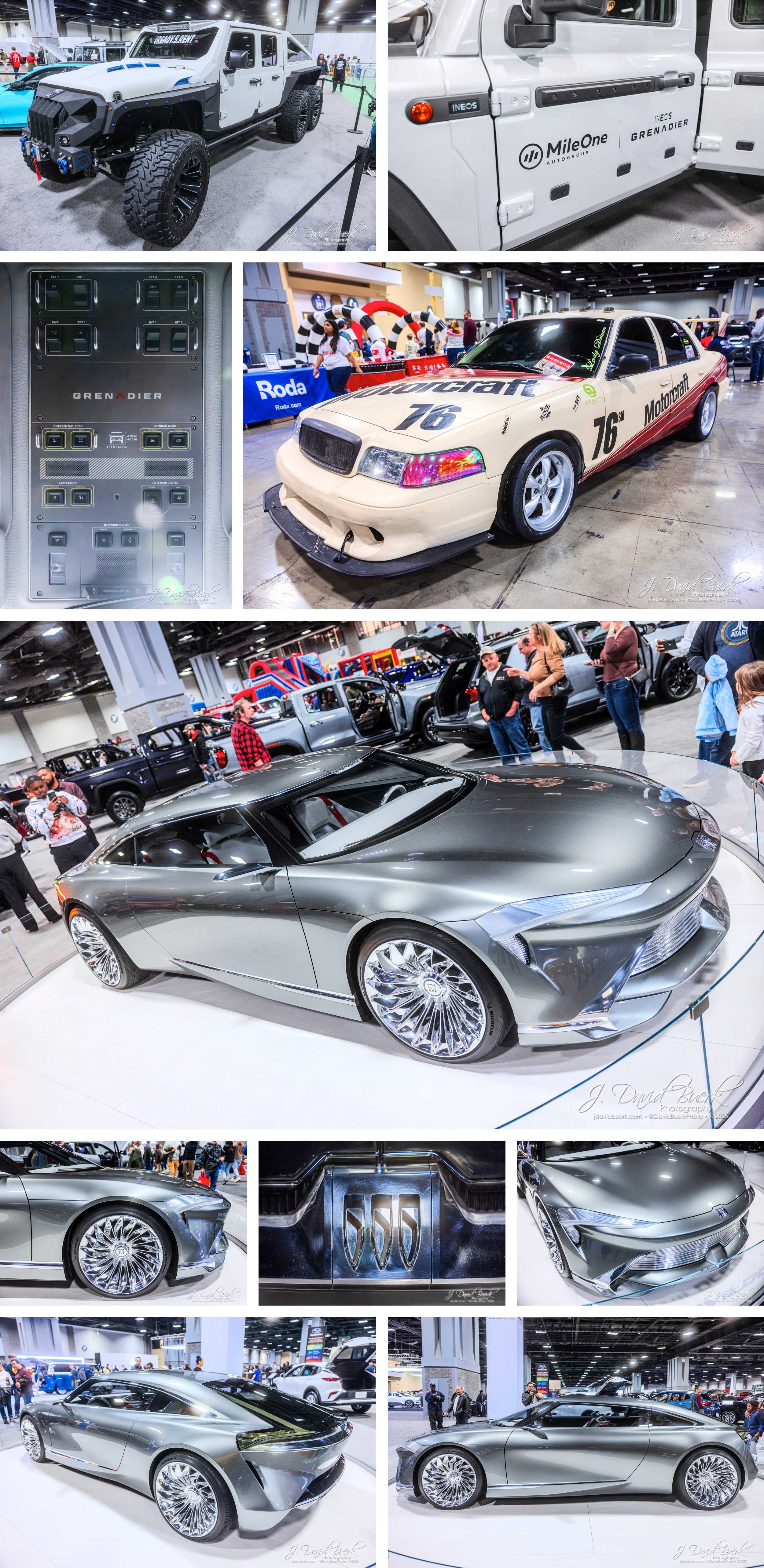
In 2025 we got to see Buick’s Wildcat EV, and this year brought the new concept car’s roots to the show in the form of the original 1985 futuristic testbed (and legendary Hot Wheels).

First unveiled in 1985, the Buick Wildcat concept was a sleek, forward-looking statement of where General Motors imagined American luxury performance could go: low, wide, unapologetically futuristic, and packed with then-cutting-edge digital instrumentation.  Seeing the original Wildcat on the auto show floor this year made for a striking time-warp moment, especially when viewed through the lens of last year’s Wildcat EV debut.  While the 1985 concept leaned into Bézier curves, aviation influence, and analog futurism, the modern EV reinterpretation carries that same experimental spirit forward with smooth surfaces, bold proportions, and an all-electric ethos.  Nearly four decades apart, both Wildcats serve the same purpose: less about production reality, and more about Buick staking a claim on what its version of the future looks like.

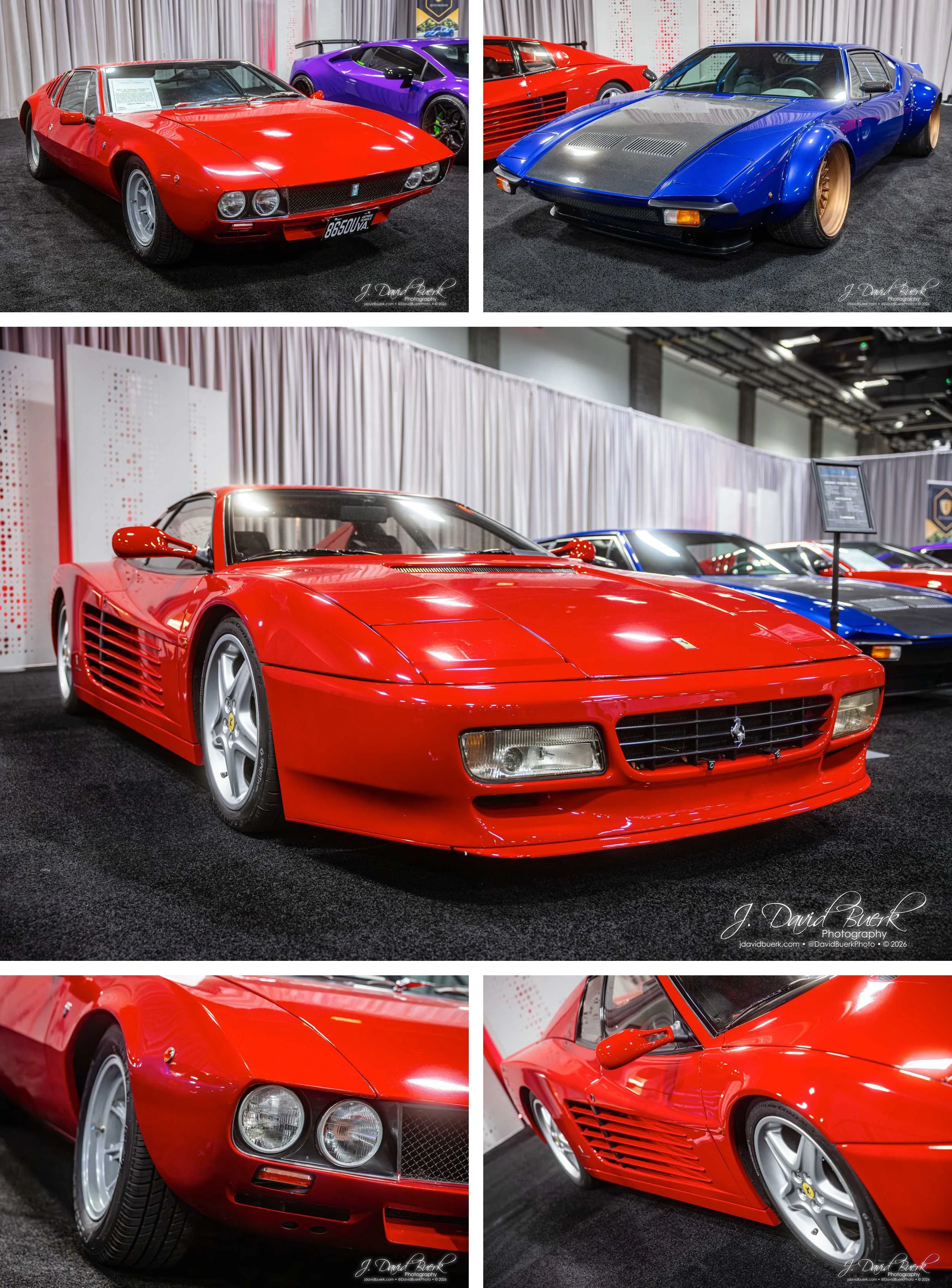
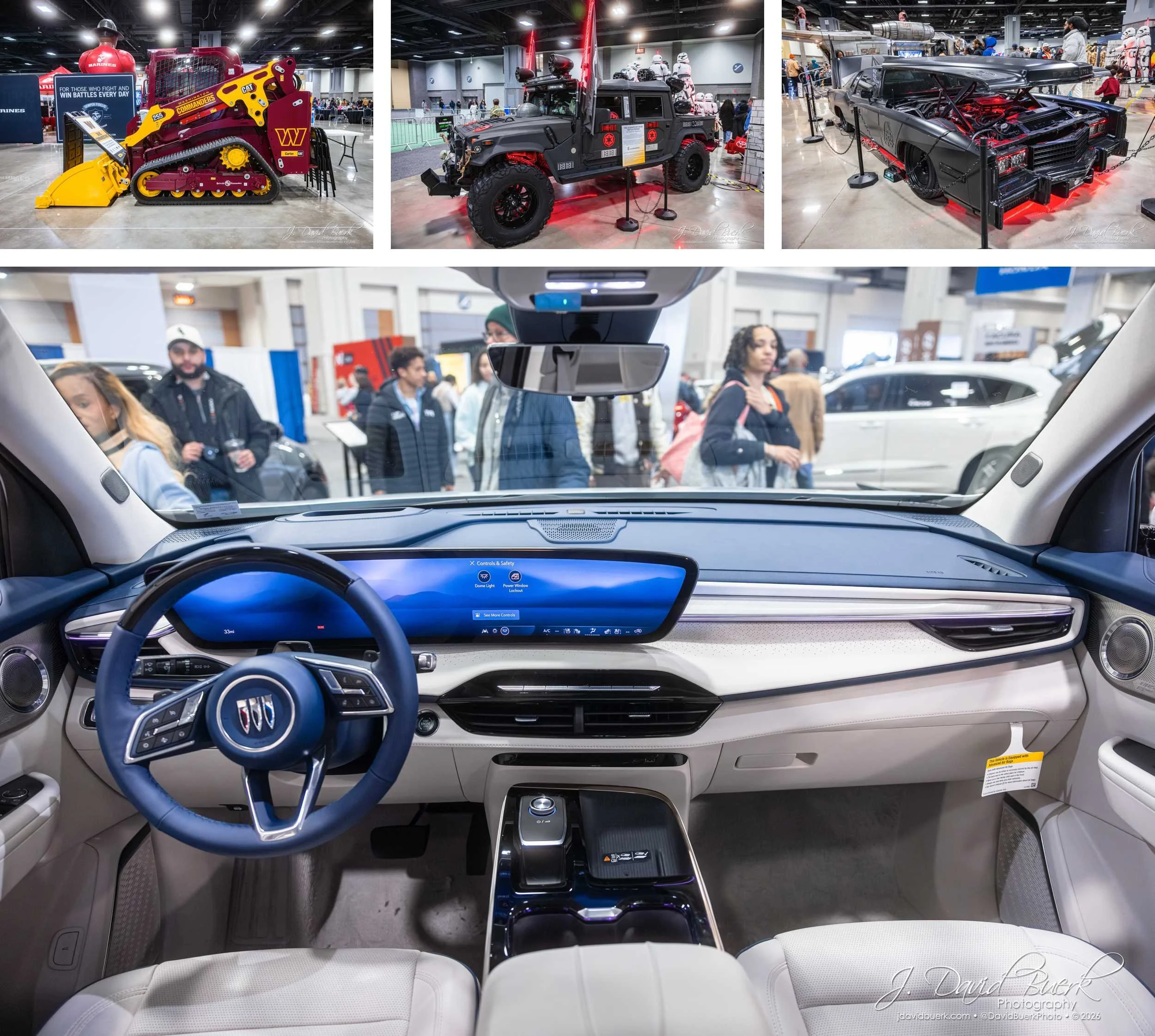
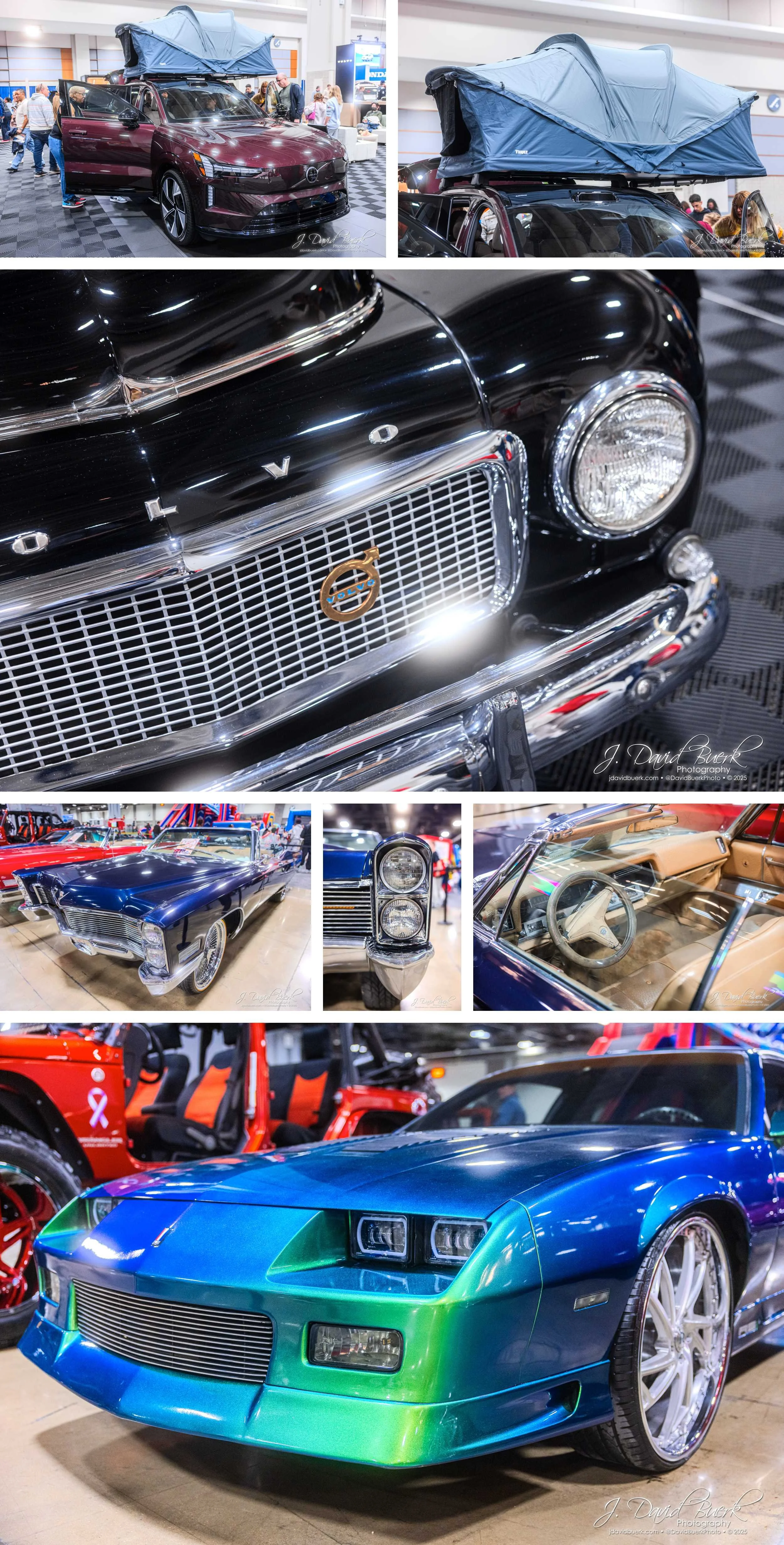
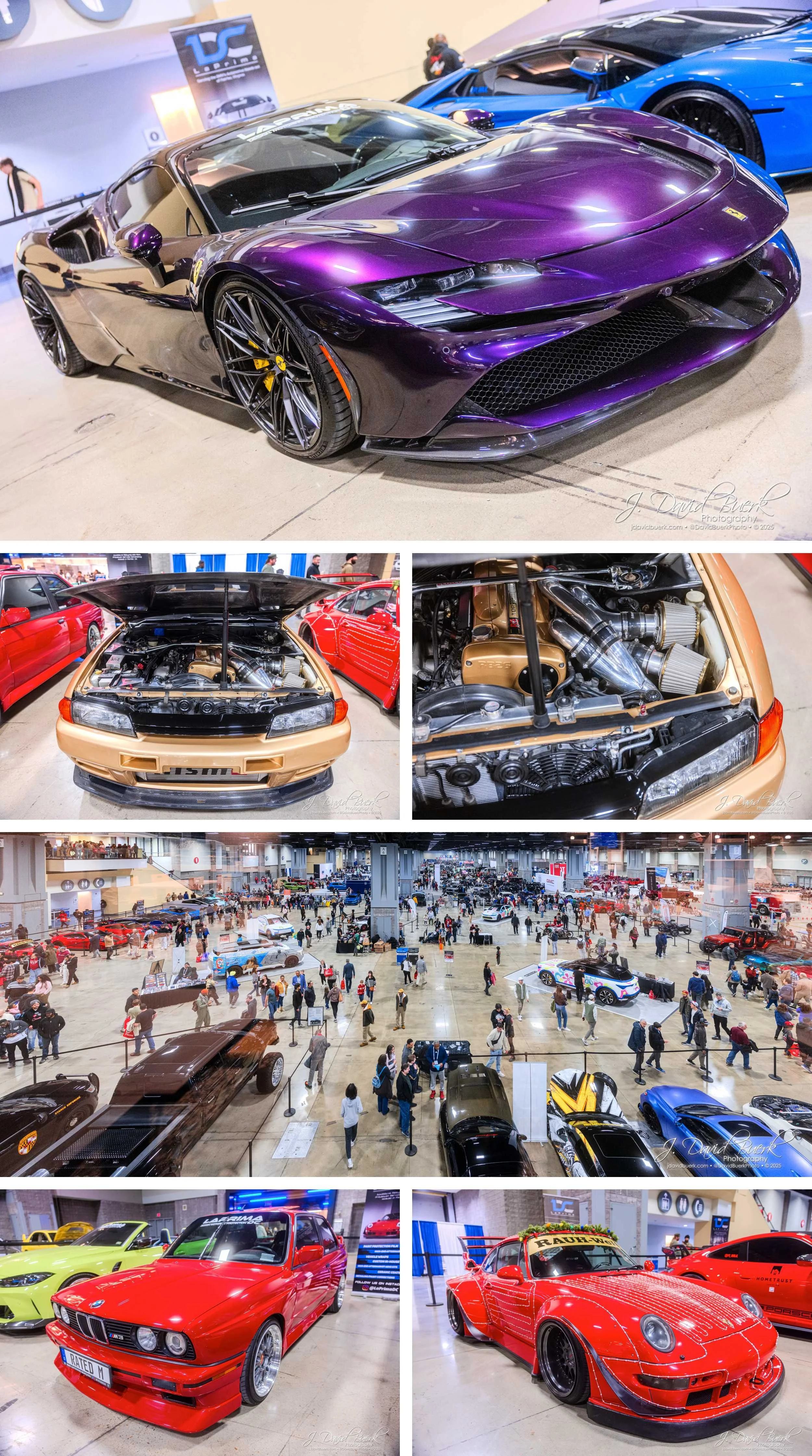
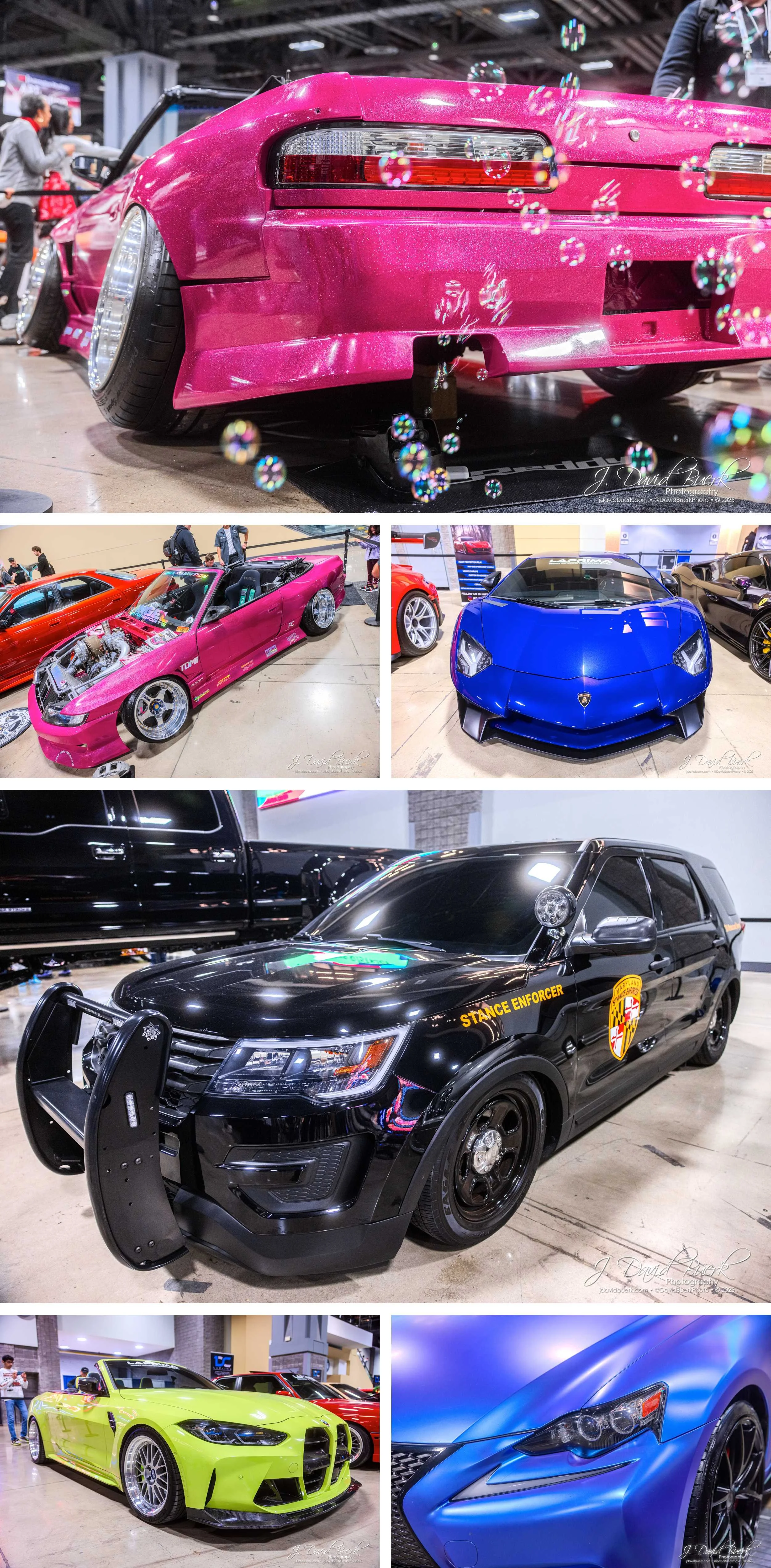
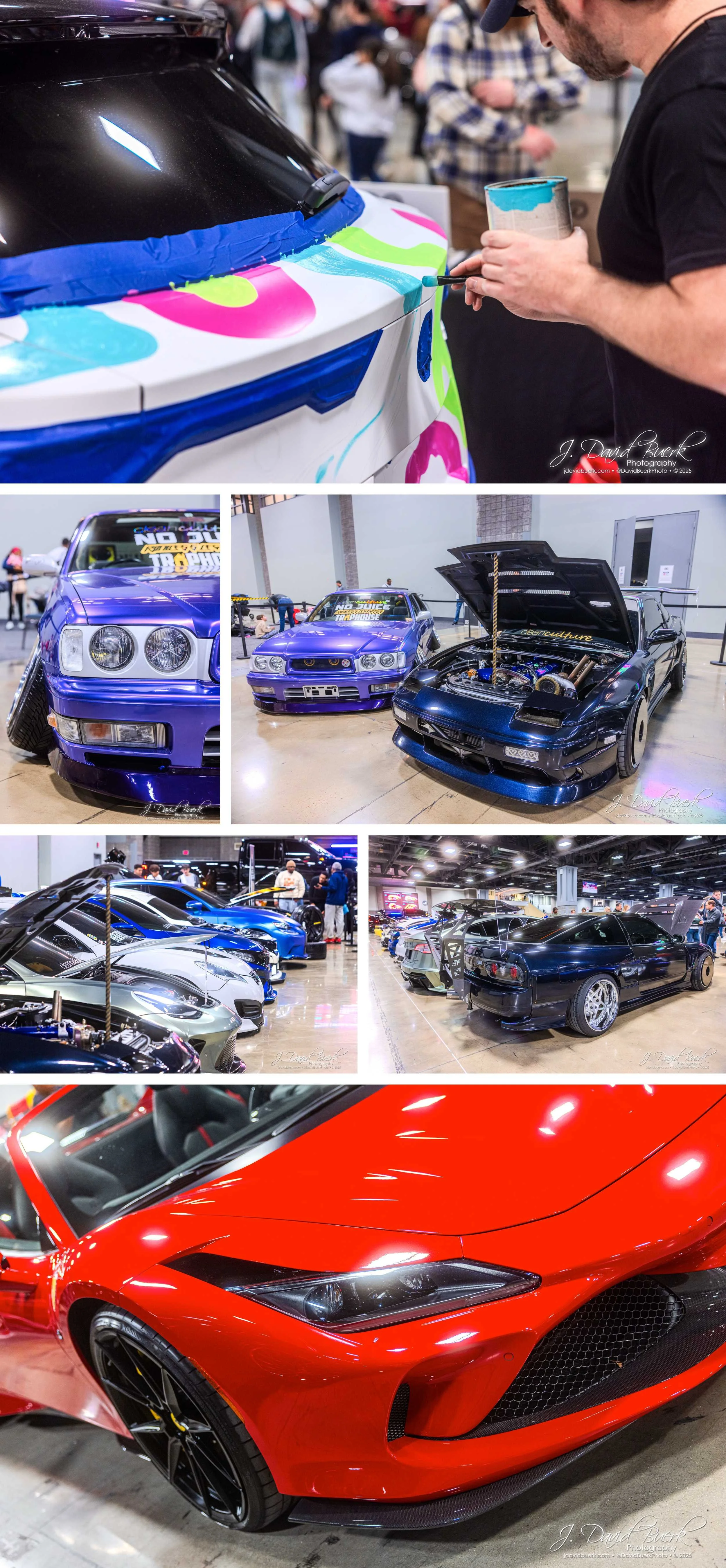
The Washington Auto Show sadly seems to shrink every year these days, and this year felt especially small, with fewer attendees due to the snowstorm still impacting the region, and large swaths of missing attendance - I remember the days when German manufacturers were on display, and luxury marquees such as Lexus, Porsche, BMW, Mercedes, Lincoln, Cadillac, and Jaguar were all highlights; this year, not even Nissan was included in the Japanese offerings - very disappointing annual downsizing.  Based on this, I was shocked Alfa Romeo and Land Rover both had small displays.
Exotics are always present in some capacity, but these are halo cars for the average attendee; I’m speaking about the missing makes attendees previously would have been able to experience the product.
After the show, a cool scene of chilly, ice covered DC:

2025 Washington Auto Show + HDR Commentary

Today’s post comes with a giant 🤓nerd-alert🤓, as I discuss technical details in an evolving World of imaging, applied to car geekery.

Like most years at the Washington Auto Show, I spent my time at 2025’s expo exploring the show floors with a camera, using the event to casually experiment and hone skills in between exploring the latest automotive offerings.  Practicing upcoming techniques in no-pressure situations is a great risk-free way to keep skills on the cutting edge.

Last year I gathered footage to practice with my HDR video editing workflow.  This year I did the same with some proper 120fps footage, and also edited all still images from the day in HDR, as HDR still formats are upcoming and I like always staying knowledgeable and prepared.

I’ve edited several personal photosets in HDR to practice and learn how the new formats accommodating expanded range of luminance is currently able to be edited and to ensure backward compatibility with SDR displays - for video, HDR is widely available and supported, with practically all new TVs and productions available in HDR formats.  Photos, surprisingly, however, are supporting HDR after video, with the format war still raging on; the predominant image format and paired colorspace has not been determined yet.

HEIF/HEIC seems to be the best choice, closely related to the HEVC video standard most end-user and web HDR video is deployed as: its high efficiency compression and support of gain maps and modern colorspaces like P3, however end-user support is still limited so it has not flourished except for Apple’s usage encouraging support to expand.  AVIF is a similar format that is promising, but even less widely supported than HEIC.  JPEG XL is not new, but is a much modernized expansion of the original staple JPEG format.  Then there is finally standard JPEG, which can be encoded with a gain map to enable HDR on HDR-compatible devices and applications, and is backwards compatible with SDR in the existing standard, however it is the least efficient of these filetypes, and gain maps are something of a tack-on making these files not always interpreted correctly by some applications.

Possibly a larger issue is how HDR stills can currently be edited.  One can edit a RAW file in HDR using the standard color and contrast edits we all know and love, however editing software may also offer SDR compatibility proofing and grading, which I’ve found is not able to exactly match the HDR grade - this is a critical shortcoming in terms of backward compatibility, and ensuring a consistent deliverable to end-users.  Furthermore, editing HDR images in Photoshop and maintaining the correct grading and luminance mapping is spotty, with use of Generative AI tools strangely returning SDR results in Photoshop while the same generative utilities used in Lightroom directly on a RAW file returning HDR results (or a result that is at least properly mapped to the image’s luminance - I must assume it is generating an SDR image and an HDR gain map to pair).

In short, despite HDR video being widely supported, support of HDR still images is still extremely limited, and is not currently ready for widespread use: compatibility is king, and SDR still images are still the standard one should be using for anything mission-critical, ie client deliverables.

NOTE: The images in this post are NOT HDR; they are SDR-only; my hosting provider currently does not support HDR filetypes, as it converts all uploaded media to standard SDR JPEGs for web efficiency - hopefully some day in the future HDR data will not be stripped, and modern filetypes will be supported.  These images were natively tone-mapped on export for viewing in SDR as close as possible to their HDR versions.

1988.5 Ferrari 328 GTS

This Fall, just as the leaves were beginning to peak, I captured a set of glamour shots of this pristine Ferrari 328 GTS that was headed off to auction.

With only 14,000 miles, this Spider with its 3.2L V8 and 5 speed manual producing a peppy (for its vintage) 266HP sounded like a healthy pony ready for a weekend cruise after its top-to-bottom restoration.  This model comes complete with a built-in radar detector and the complete Ferrari roadside toolkit.  In forever Ferrari classic Rosso Corsa Red, this near-mint 328 will be the highlight of any Italian car lover’s garage.

2024 DC Auto Show

It’s been tradition amongst my friends ever since college to visit the DC Auto Show every year - the only years I’ve not attended were the year it was cancelled due to COVID, and the one year I happened to be buying a car the same day of the show.

This year was no different; we made a day of it and explored the show as usual.  This year I did something a bit different, and took some video clips in addition to my usual photographs of whatever caught my eye - I treated this as an exercise to sharpen my skills with a new video editing suite, and perfect my HDR and high framerate workflows.

After the auto show, we all met up with some friends at our favorite cozy spot in the district.

The BMW Ultimate Driving Experience: 2021

Over the years I’ve driven many interesting cars.  Not as many as an automotive journalist, or perhaps a used car salesman, but plenty for an average car enthusiast, which is to say, many more than the average driver.  This is due in part to my relationships with other petroheads, but also comes from the number of automotive events I am fortunate enough to have the opportunity to attend.

Following with the likes of Jaguar, Lexus, Kia, and McLaren, this past June I was able to finally attend BMW’s performance driving experience - the previous time BMW had this event locally, I was fresh out of knee surgery and wasn’t able to walk yet, let alone drive anything (I missed a Cadillac event in the same timeframe too).

Arrival

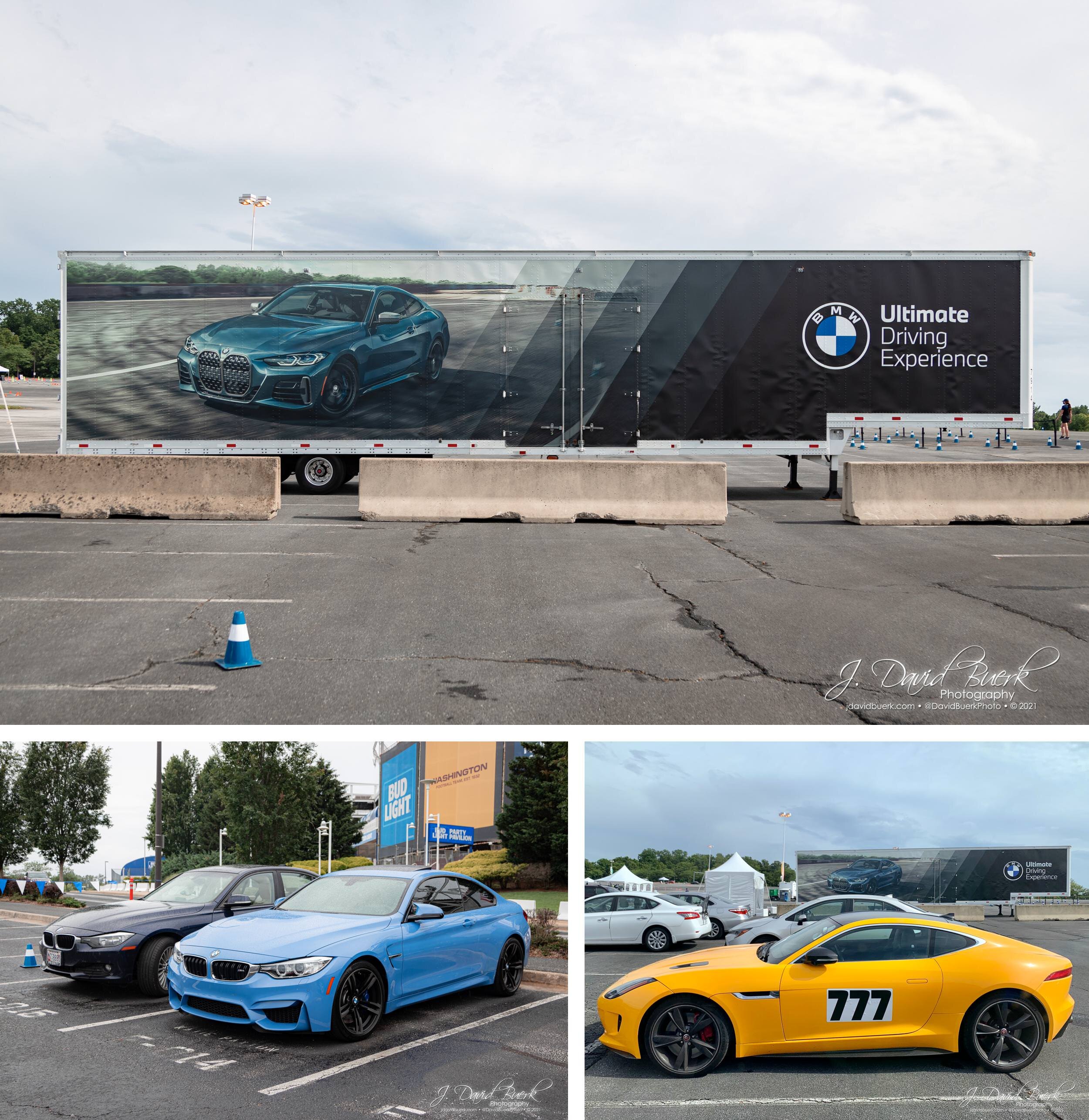
Like most car meetups and events, I attended BMW’s Ultimate Driving Experience with my longest petrofriend Jake.  We unfortunately arrived a few minutes late to the event, and got bumped to the last timeslot of the entire event, so we were only able to enjoy one of the multiple portions of this event, but luckily we were able to participate in the one we were most interested in: autocross in an M440i.

Following his love of British car design, and the tragic T-Bone totaling of his beloved Jaguar XF, Jake had just bought a Jaguar F-Type several weeks prior (which you will see highlighted in another blog post from a car cruise soon).  So it was somewhat ironic arriving at the BMW Ultimate Driving Experience only to park next to another F-Type, this one a V8 specced in Sorrento Yellow bearing an autocross 777 number on the sides.  That being said, there were more BMWs than anything else in the lot, so there was no question if we were in the right place.

The BMWs

After checking in, we looked over the new i4 and iX; BMW’s latest all-electric vehicle offerings, following the i3’s success in BMW’s i sub-brand.

I could go on about BMW’s current design language with the increasingly bucktooth kidney grilles, but that would be repetitious since everyone else has already shared my thoughts on the matter.  I will say, however, that they did very a very good job on the completely non-functional grilles on these two new electric offerings considering their massive size.

The iX was especially impressive, with its BMW Individual Aventurine Red Metallic paint reminiscent of red wine, and the matte rose gold accents that would typically be chrome or piano black on most other cars; the iX despite clearly being an upscale grocery-getter, dazzled in the sun.

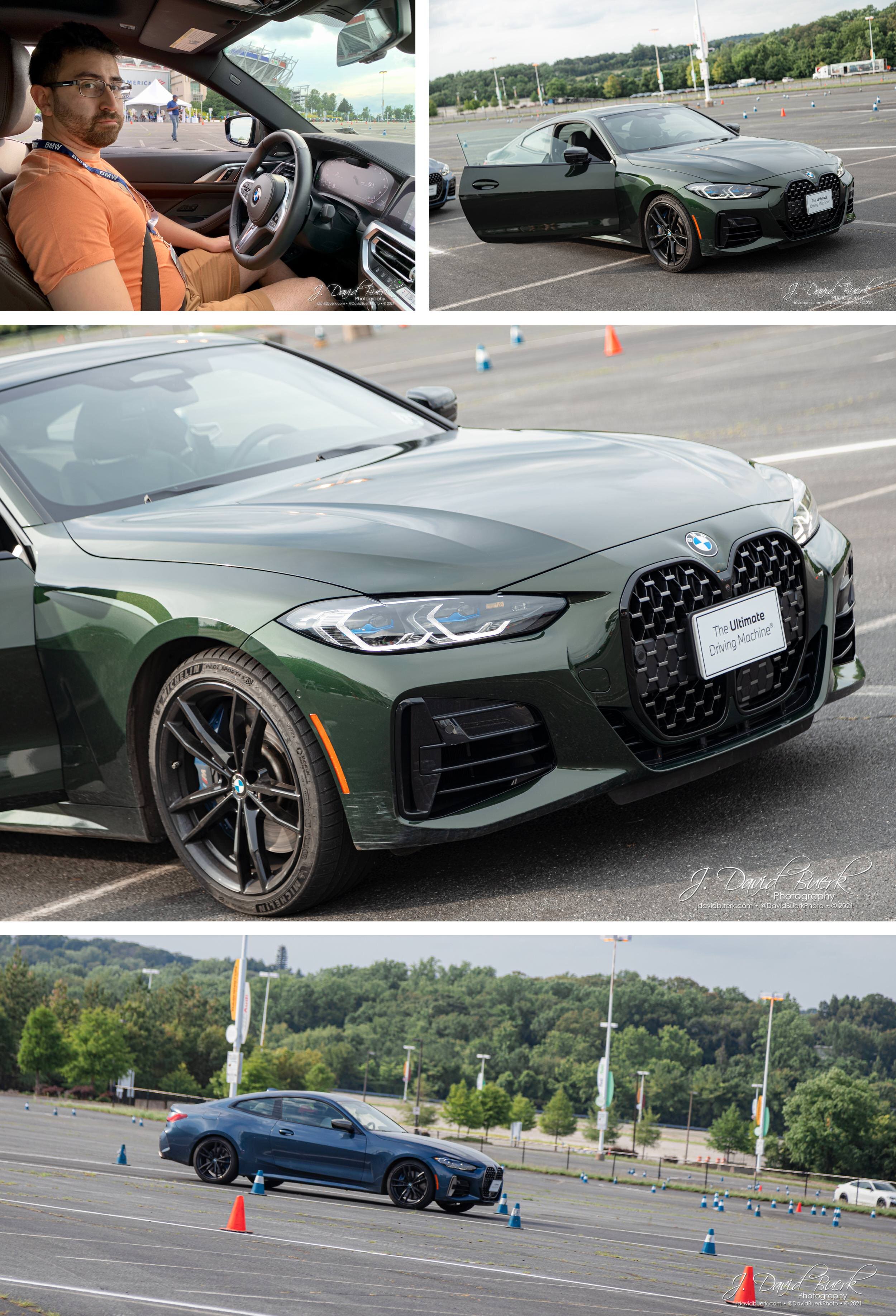
The star of the day however was the BMW M440i.

This car is especially interesting to me, as it’s the modern direct competitor offering from BMW to my own car.  In fact, when I bought my Infiniti G37 S 6MT Coupe, a BMW 335i Coupe was one of only two cars I cross-shopped it against, right around when BMW was restructuring their model numbers; the 3 Series coupe was being rebadged into the newly introduced, coupe-only 4 Series.  Admittedly, a different German performance manufacturer has long had my top interest, but a 4 Series coupe is still on my interest list.

Until this day, the only BMWs I had driven were a handful of E36 and E46 3 Series models.  I learned to drive stick in a 318i and an M3, so it saddens me seeing the ///M Power badge being watered down into just trim packages and second-tier performance levels.

The BMW 4 Series offers several models: The 430i equipped with an inline 4 delivering 255HP, the M440i sporting a twin-turbo V6 outputting 382HP, the M4 with horsepower boosted to 473HP, and topping out the line, the M4 Competition with 503HP.  Only the M4 model does not offer an xDrive option, and quite depressingly, BMW axed the manual transmission from this performance driver’s car from the entire 4 Series line in 2020 - truly a travesty.

Today we’d be driving the 382HP M440i model.

The Ultimate Driving Experience

After being issued our credentials, our group was given a rundown of the M440i and a short lesson on performance driving basics (apexes, braking / acceleration through corners, weight transfer, etc).  Then one of the driving instructors slowly drove the course for us to observe while another instructor explained how to navigate each section - extremely basic instruction, but necessary given the audience, since the group ranged from enthusiasts with track experience all the way down to a soccer mom in slippers who was actually scared to drive this car (which I would argue is yet another example of the US needing stricter standards for issuing and renewing driver’s licenses, because this type of driver on a public road is statistically more dangerous, causing more accidents than the enthusiast drivers who are typically targeted and demonized).

This was my first automotive event since COVID-19 struck, so things were a little different, but most things were the same.  The pre-race briefing actually did go into more detail about driving dynamics than most of these events, which instead save that for in-car instruction, if you even get any at all, and instead focus on a car’s specs, features, and design highlights.  This event was socially-distanced, and instead of swag bags most manufacturers provide (I still use my Jaguar thermos to this day, 8 years later with lots of wear), participants were given masks and BMW branded hand sanitizer - a little disappointing; I was really looking forward to something really cool branded BMW or ///M.  Cars were sanitized between each set of drivers.

One benefit to the social-distancing was that a driving instructor was not in the car with you.  You still had a dedicated instructor talking you through the course during your runs, but via radio.  If there is an instructor, my preference is for minimal driving instruction while driving; full tips are nice on a first lap, but after that, minimal input helps me so I can focus on the course and learn the car - I think instruction while actively driving is distracting and sometimes intimidating, which can cause more problems - I find that input and tips for better lines / laps / etc are helpful, but best saved until the run is done so I can focus while driving, and apply the driving instruction to my next lap or run.  Between having to gear events toward the widest audience of skill levels (see my example earlier - the slippers lady was finally convinced to drive, but it was of course more like a parking lot cruise than an autocross hotlap), and my personal preference, plus differing driving personalities, you wind up with a range of different driving instructors with different instruction styles.

I should note that not all events like this even have driving instructors - I’d say it’s about 50/50, but BMW was one that did, and it fits, since BMW also offers a Performance Driving School, at three locations in the US with 42 different courses available, most spanning multiple days of time spent behind the wheel.  The classes range from teenage driver’s ed and beginner motorcycle instruction all the way up to race licensing, defensive and tactical driving, off-roading / overlanding, and even trophy truck racing.  The instructors at today’s event also teach at the BMW Performance Driving School, and have such backgrounds as test drivers for Porsche and Ferrari, and tactical driving instructors to the FBI and Secret Service - we were indeed surrounded by tomes of performance driving knowledge.

Jake and I paired up for our 9 laps in three sets of 3.  Our first run our instructor was a bit uptight and was guilty of watering down the course and driving notes for our experience - even though a first run is almost always going to be slow and sloppy, one of the other instructors noticed both our runs, took us aside, and told us he’ll take us for our remaining runs.

This new instructor was much more laid-back, and was comfortable with us pushing the car and eeking out more of the performance it had.  In fact, based on our second runs, he told us to run in Sport+, which disables the traction control, because the car’s electronic nannies were holding us back.  For me, this meant my third run was my fastest, but also very sloppy, because I was again re-learning the car; I thought Sport+ heavily relaxed traction control on BMWs, but it actually disables it entirely, which I figured out very quickly after unexpectedly oversteering through two corners and oversteering the tires past their limit in a third.  Jake’s laps after mine had the benefit of my warning him of this, so his third run laps were a bit cleaner than mine.

During some of this we attempted to film some of our runs - Jake only filmed my second run, which wasn’t my fastest, but it was likely my tidiest.  I filmed all of Jake’s runs, but my phone was on its last legs and some of the videos had multiple corruption problems - I recovered what I could, but unfortunately not all the footage made it.  You can see video from the event and both our runs here:

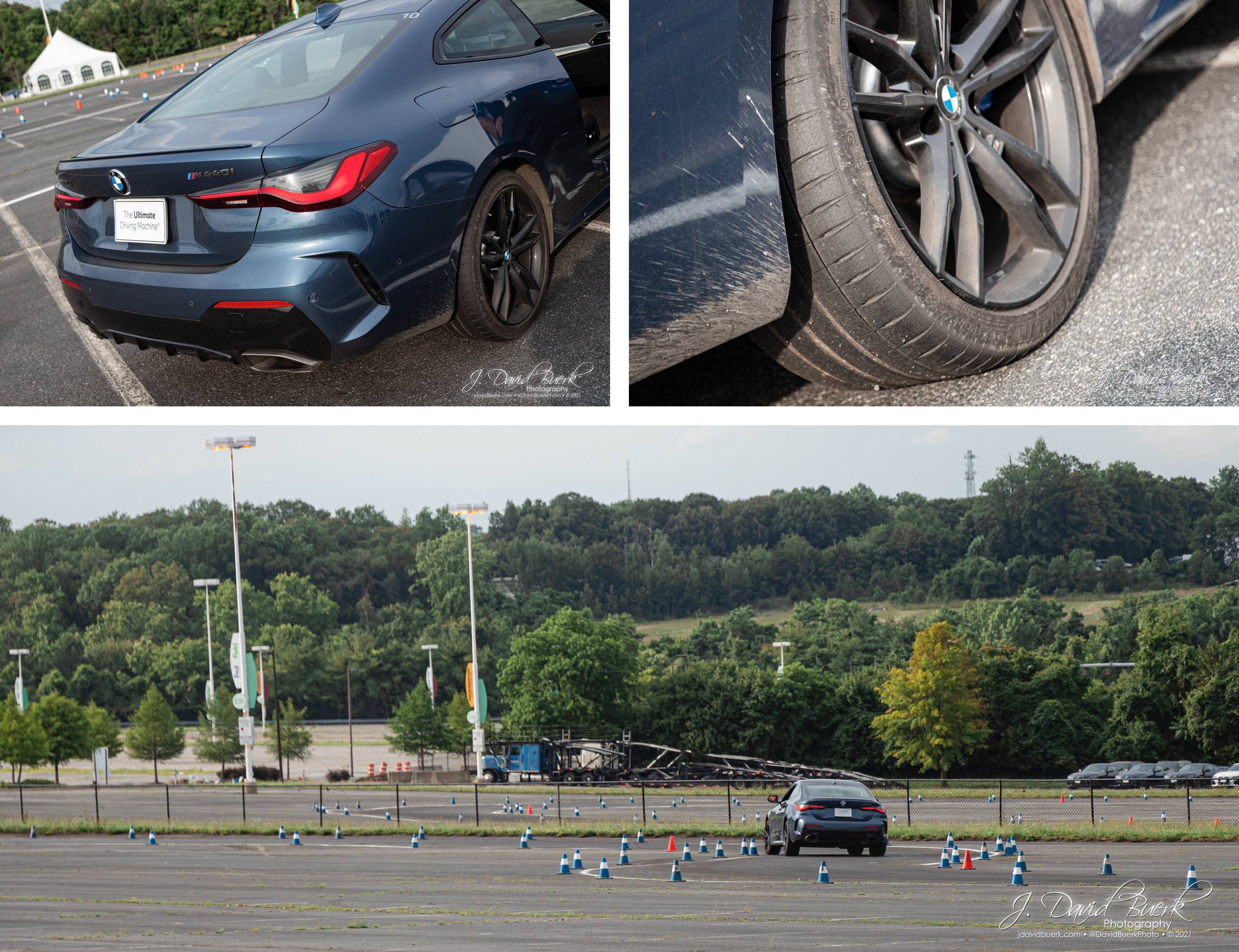
In the video you see that Jake was plagued by slower drivers on the course, and got a few bonus runs to try and make up for it.  We not only were the last group of the weekend’s event, but also one of the last cars to finish as a result.  Staff were already breaking down tents and prepping cars to load onto transports when we pulled into the pit lane.  When we pulled in, one of our car’s tires went PING as a loose piece of rubber broke off following our abusive hotlaps.  Several staff and lingering participants actually gathered around our rear tire talking about how mangled they were while we were wrapping up discussions with our instructor who had been great during our extended runs.  I didn’t see where the tread had spalled, but the amount of scrubbing on the surface was impressive, and the group gathered at the rear of the car had apparently pulled some sticky rubber off of the paint; very cool - M drivers need to budget for frequent tires and speeding tickets.

Even-though BMW’s Ultimate Driving Experience was a little different than previous events I’ve attended, and I only got to participate in one portion of the multiple activities at the event, this was solidly one of the most enjoyable thanks to the amount of seat time we got - most similar events only give you ⅓ or even less seat time, which always bugs me.  I still of course wanted more, to further learn the car and hone my lines on the course, but I’m grateful that BMW doesn’t skimp in either the performance or the tailored instructional elements of its traveling brand experience.  I look forward to the next time BMW is in Washington, DC.