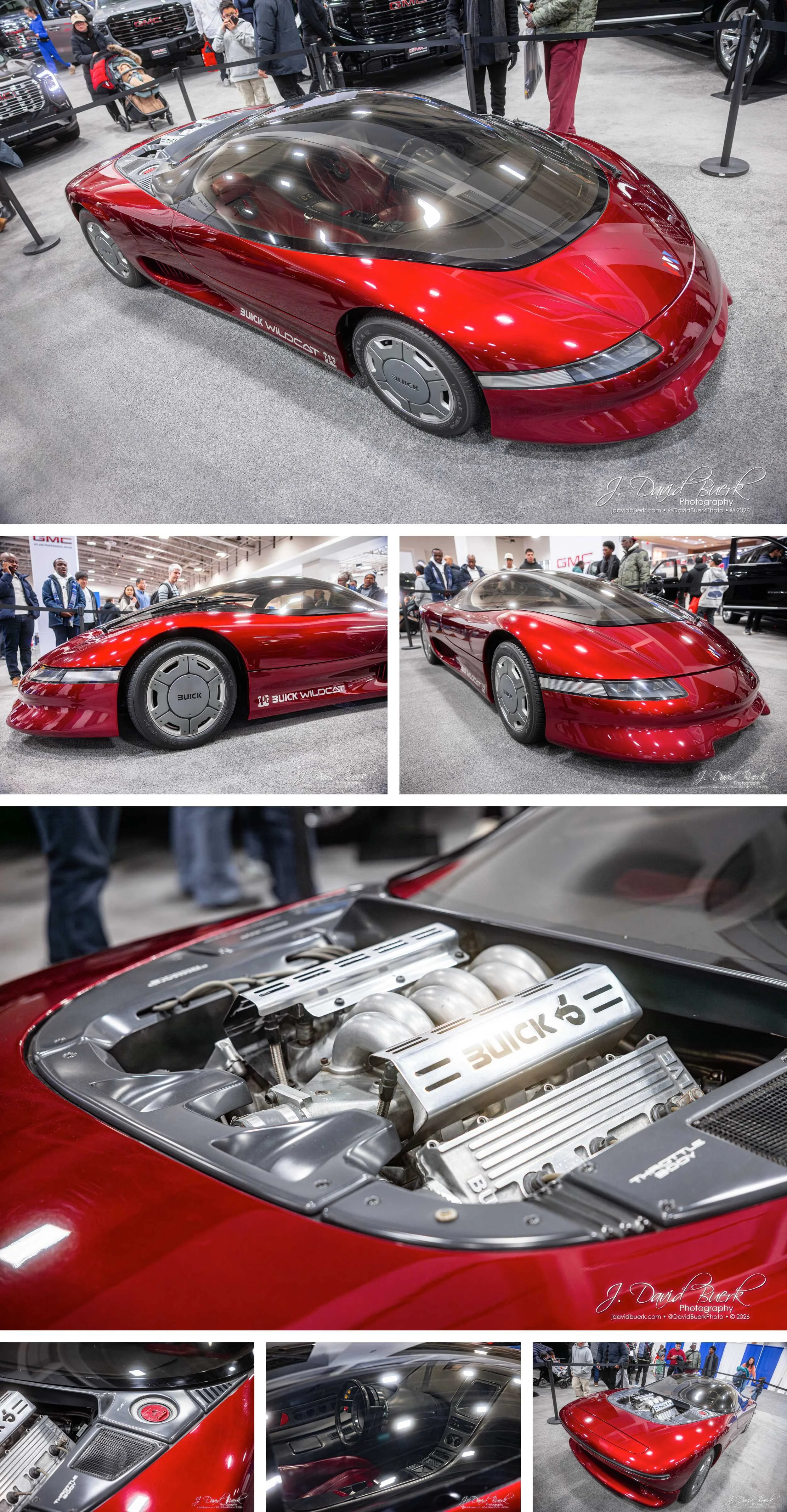
In 2025 we got to see Buick’s Wildcat EV, and this year brought the new concept car’s roots to the show in the form of the original 1985 futuristic testbed (and legendary Hot Wheels).
First unveiled in 1985, the Buick Wildcat concept was a sleek, forward-looking statement of where General Motors imagined American luxury performance could go: low, wide, unapologetically futuristic, and packed with then-cutting-edge digital instrumentation. Seeing the original Wildcat on the auto show floor this year made for a striking time-warp moment, especially when viewed through the lens of last year’s Wildcat EV debut. While the 1985 concept leaned into Bézier curves, aviation influence, and analog futurism, the modern EV reinterpretation carries that same experimental spirit forward with smooth surfaces, bold proportions, and an all-electric ethos. Nearly four decades apart, both Wildcats serve the same purpose: less about production reality, and more about Buick staking a claim on what its version of the future looks like.
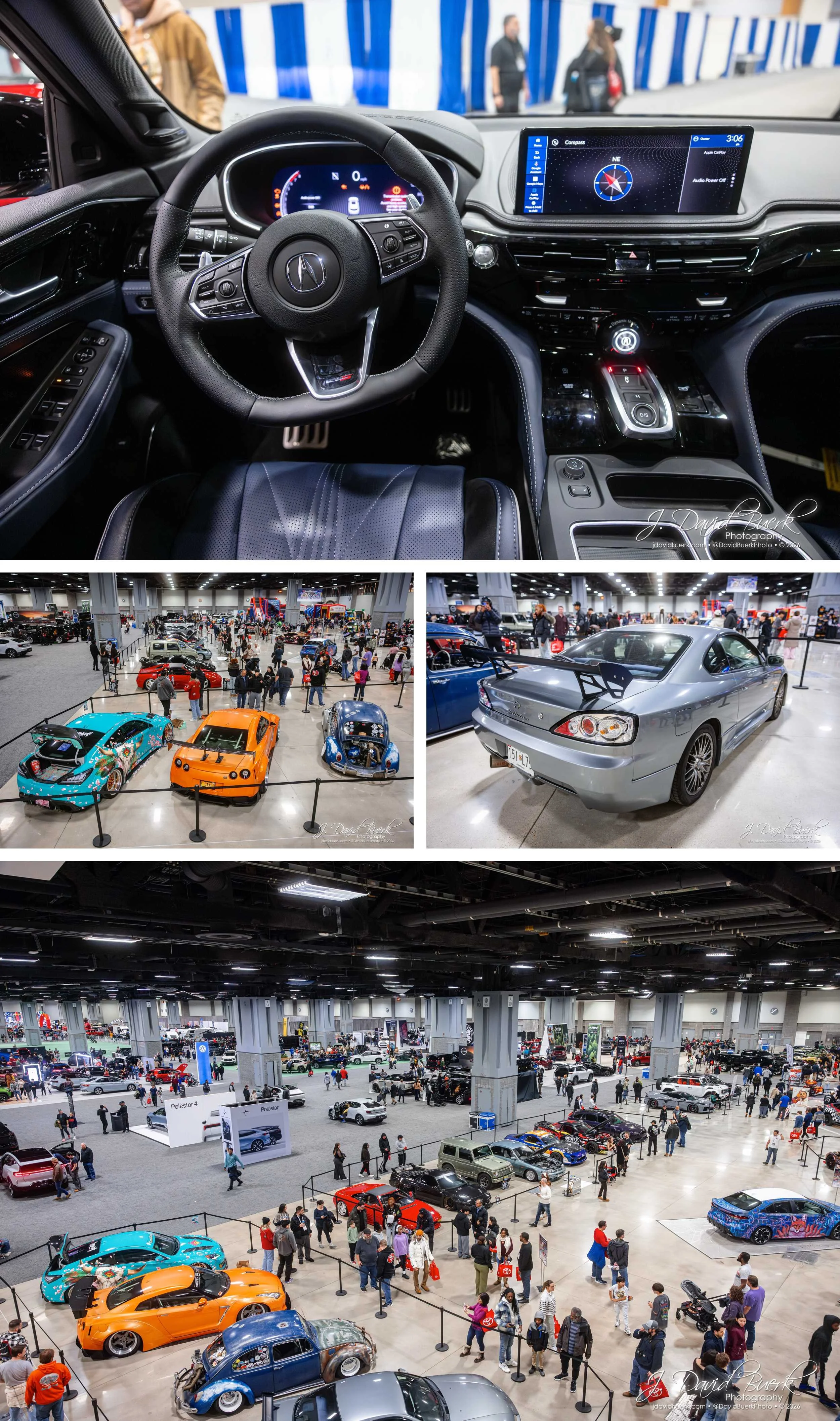
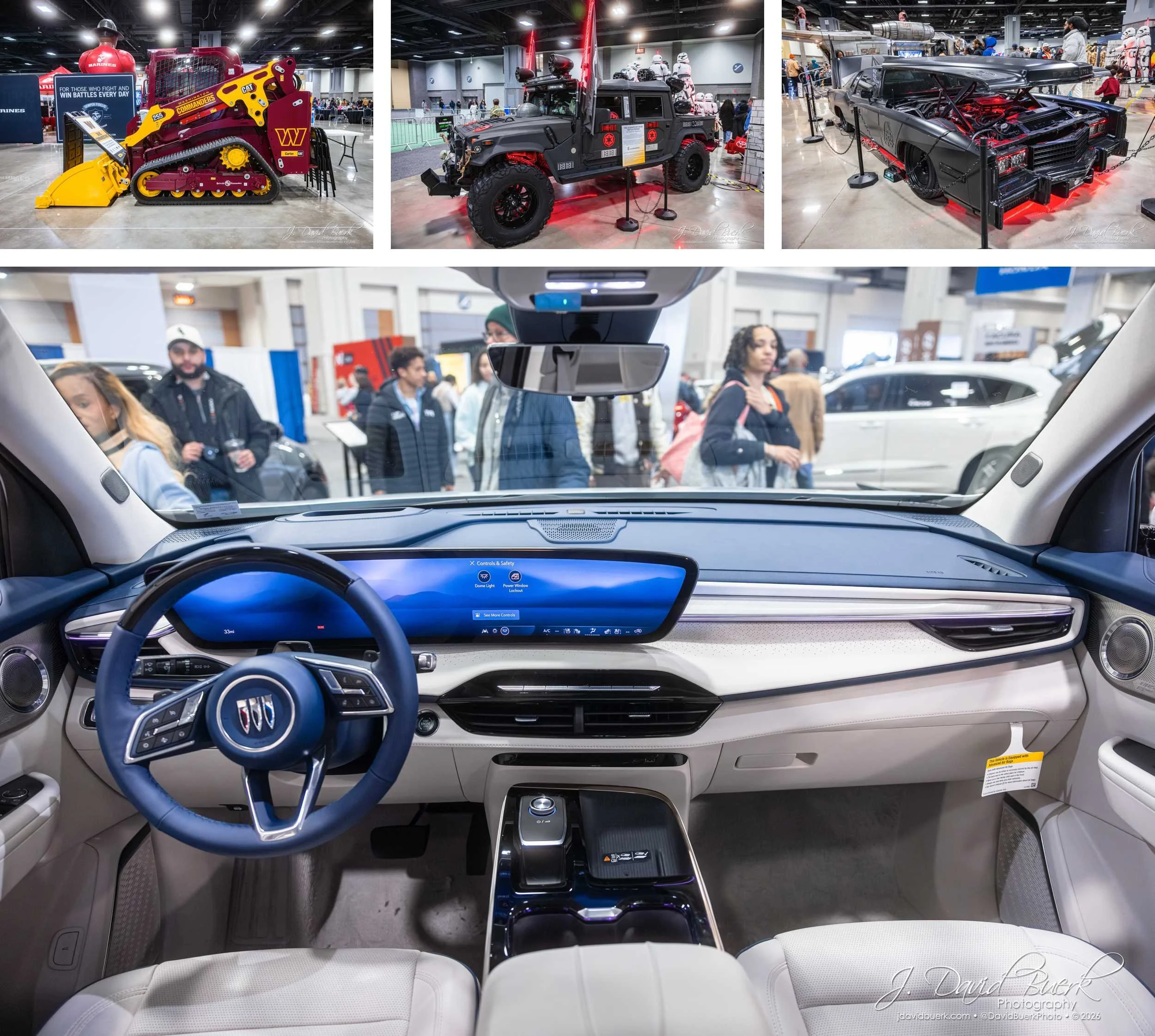
The Washington Auto Show sadly seems to shrink every year these days, and this year felt especially small, with fewer attendees due to the snowstorm still impacting the region, and large swaths of missing attendance - I remember the days when German manufacturers were on display, and luxury marquees such as Lexus, Porsche, BMW, Mercedes, Lincoln, Cadillac, and Jaguar were all highlights; this year, not even Nissan was included in the Japanese offerings - very disappointing annual downsizing. Based on this, I was shocked Alfa Romeo and Land Rover both had small displays.
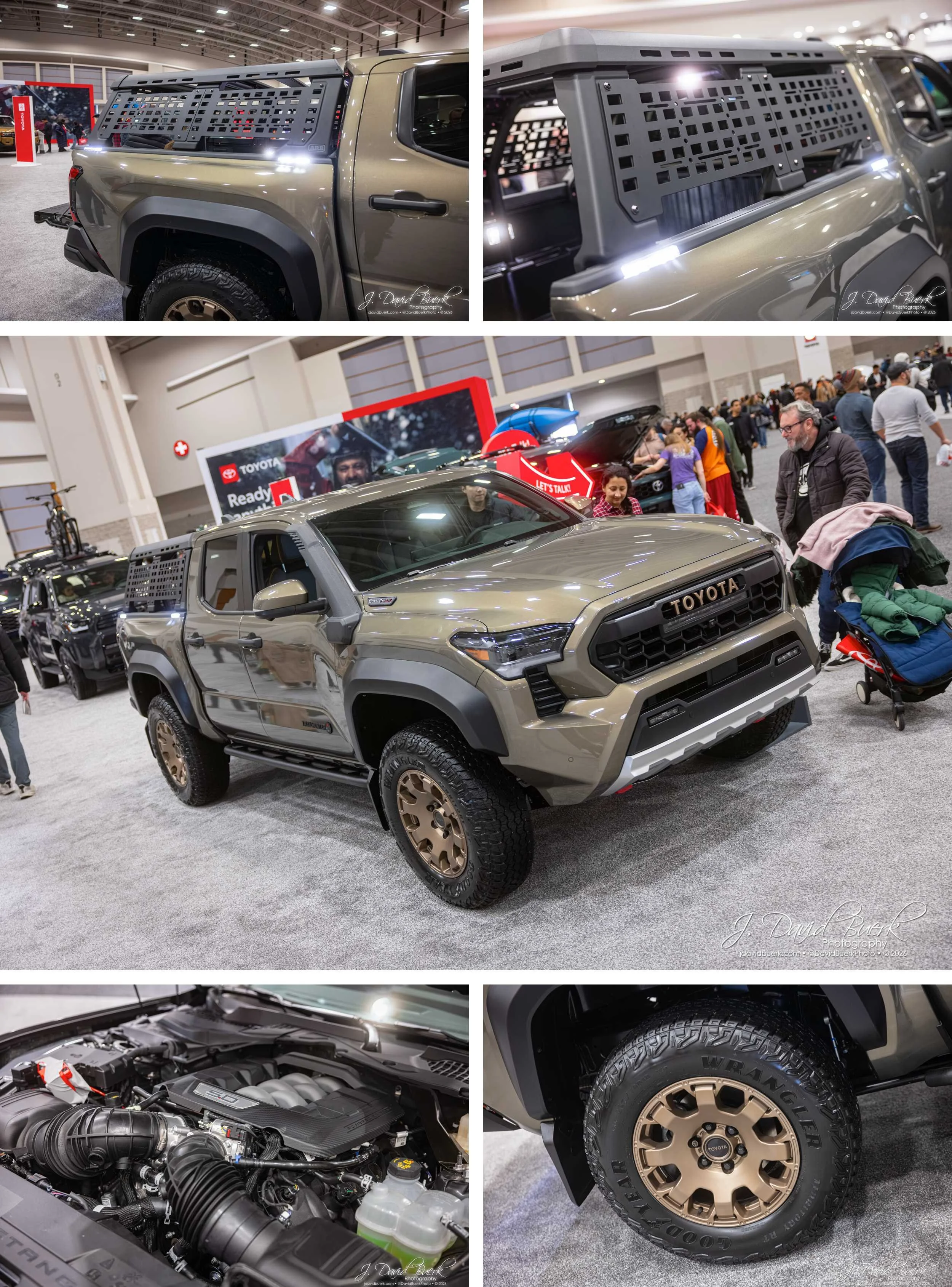
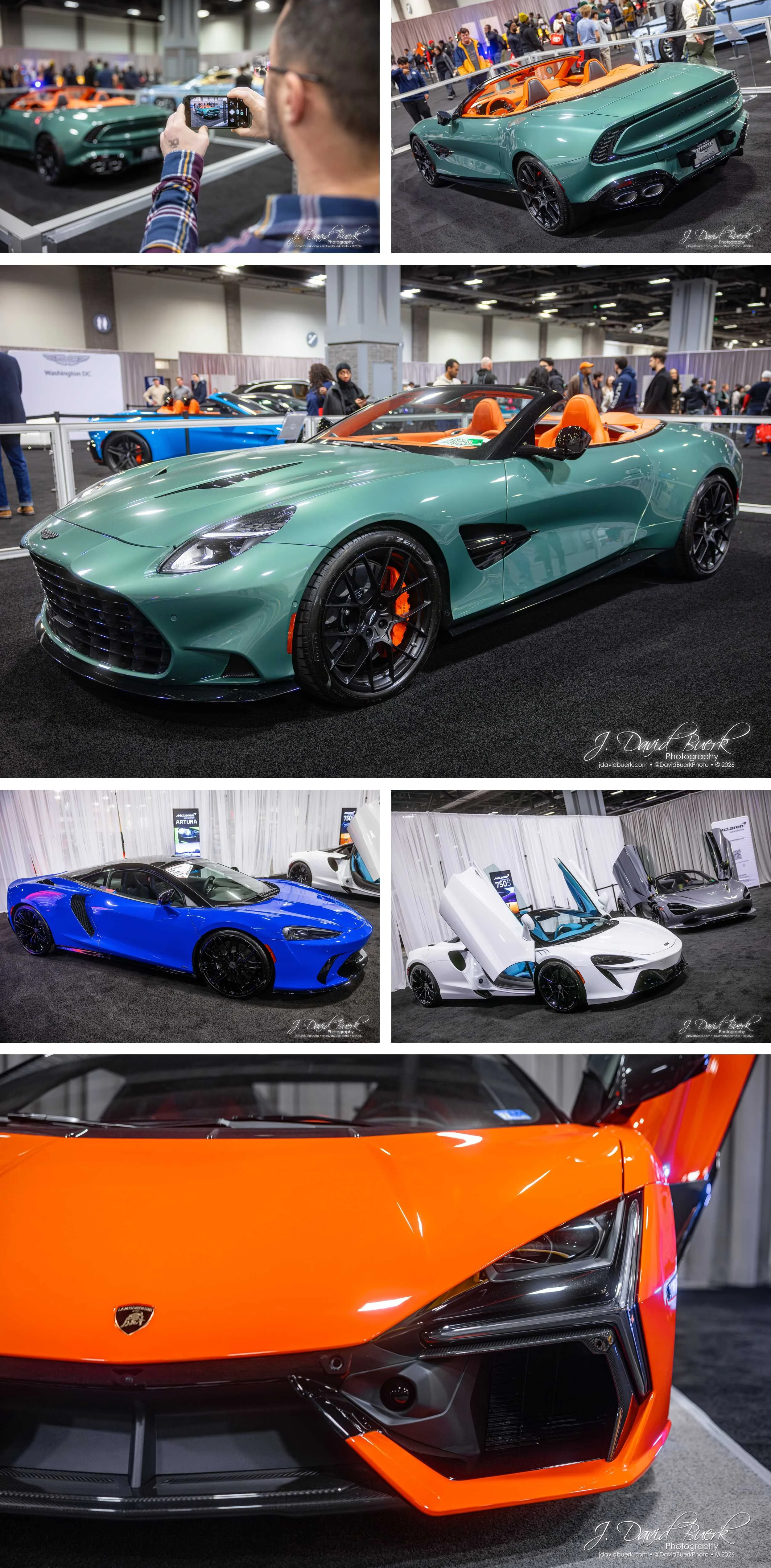
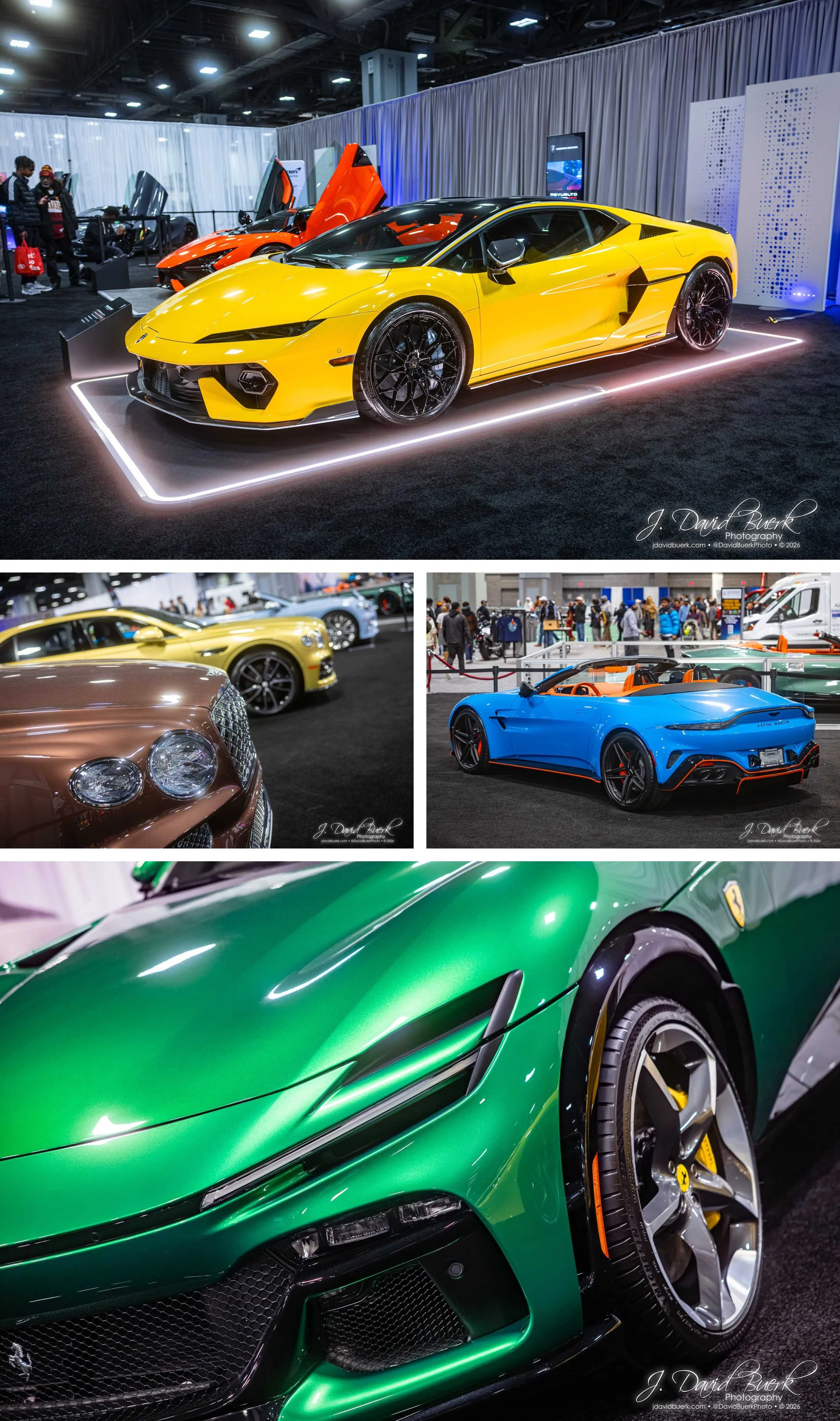
Exotics are always present in some capacity, but these are halo cars for the average attendee; I’m speaking about the missing makes attendees previously would have been able to experience the product.
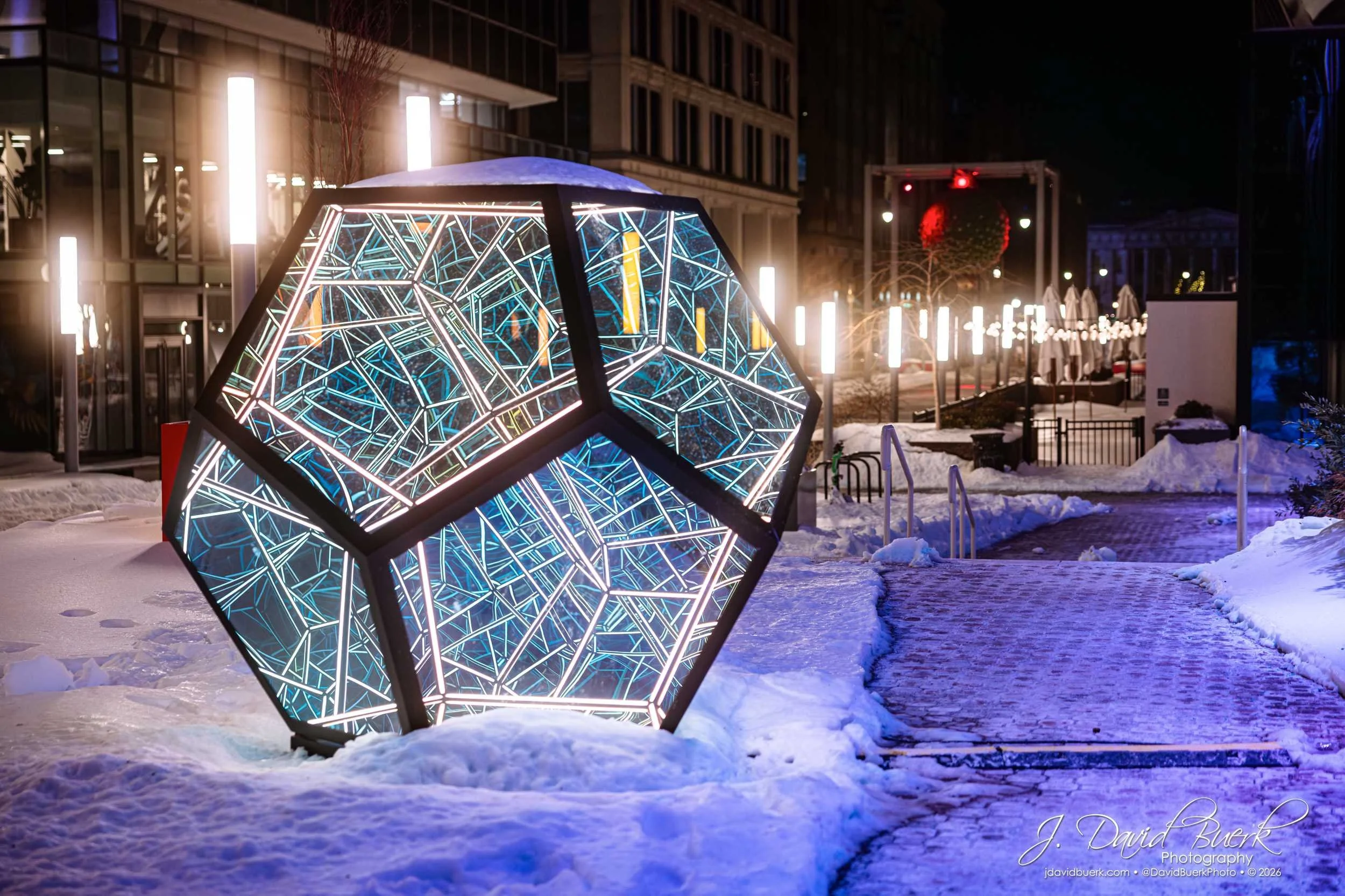
After the show, a cool scene of chilly, ice covered DC: