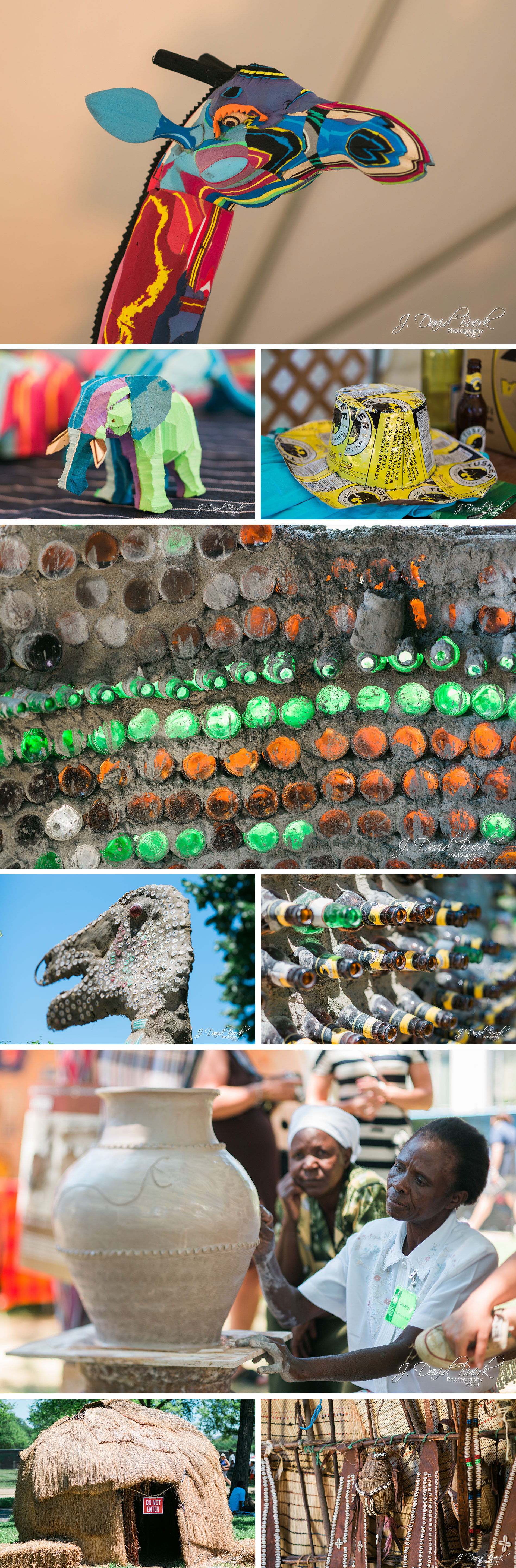
After last weekend's hike on a short stretch of Shenandoah's Appalachian Trail, I had intended on visiting the Smithsonian's Folklife Festival the next day, which I attend every year. That simply didn't happen, so instead I went the day after Independence Day - the festival doesn't run on weekdays.
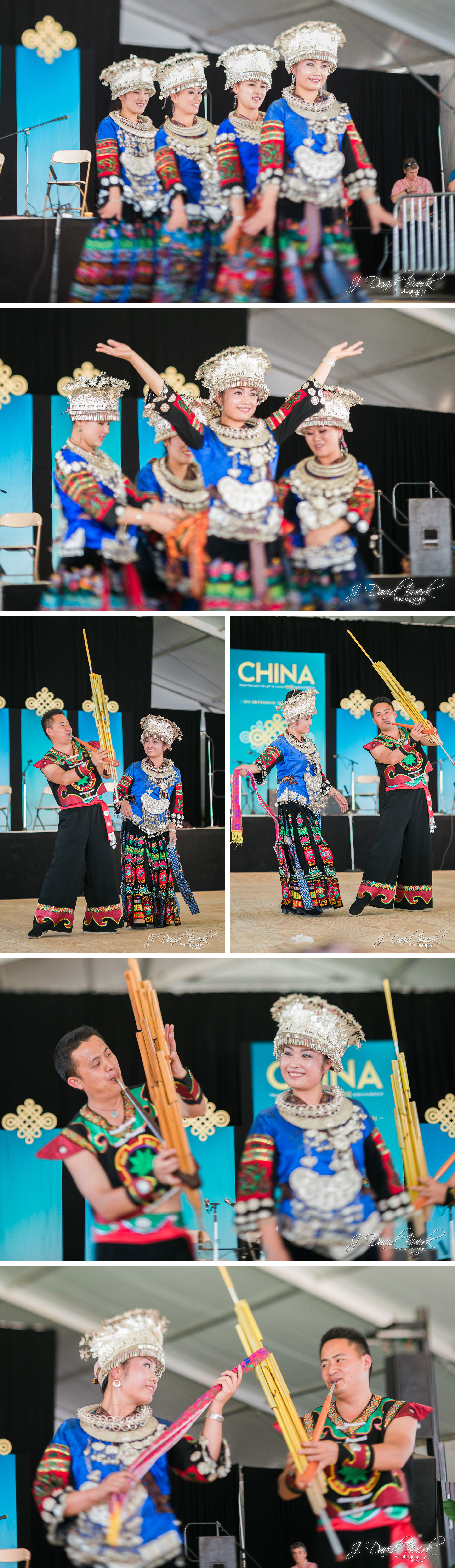
This year was all about China and Kenya. The Folklife Festival is never as big as it looks, so you can easily see everything in one day; it always brings a good crowd, although I was surprised there weren't more people visiting, given the long holiday weekend, and fireworks the night before.
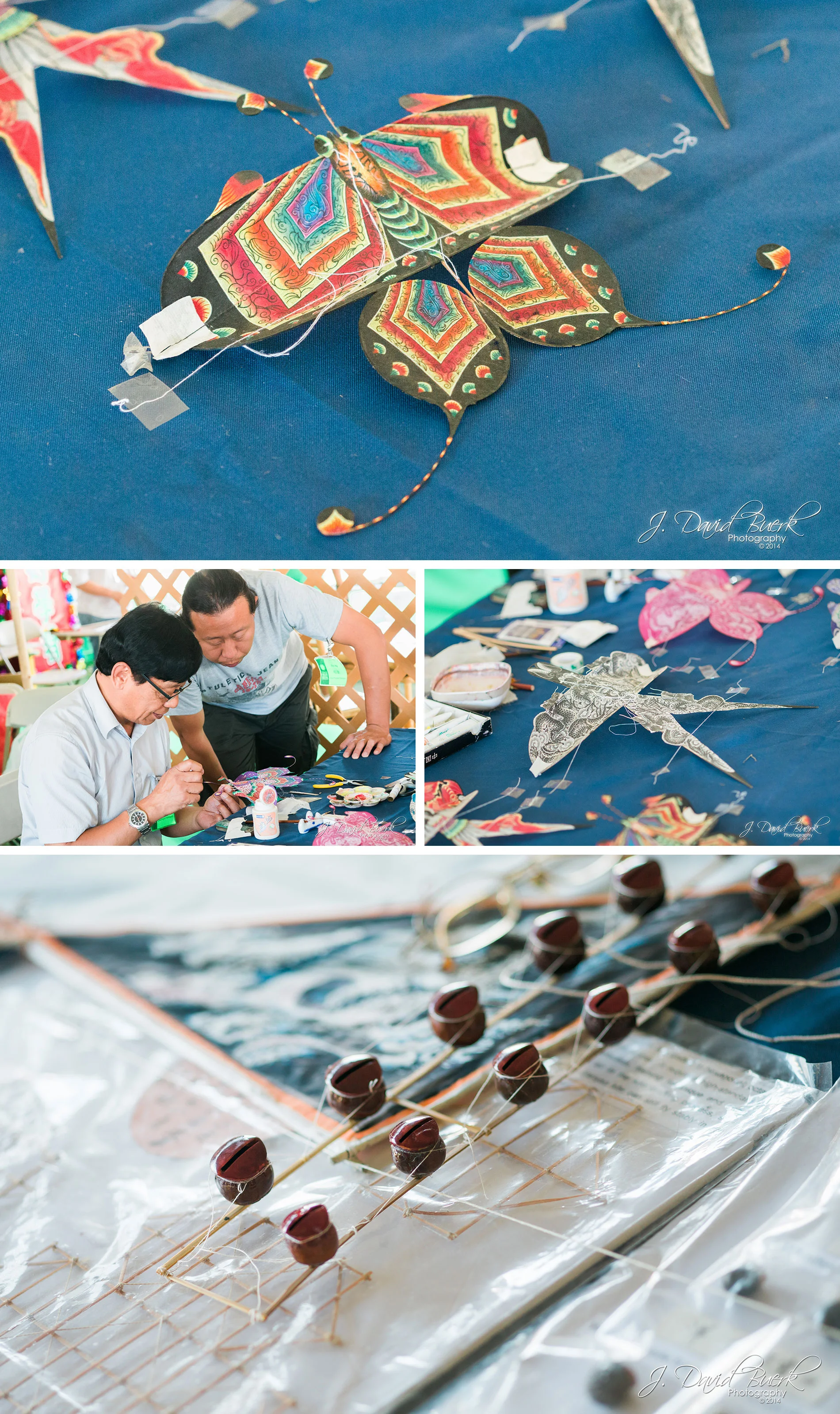
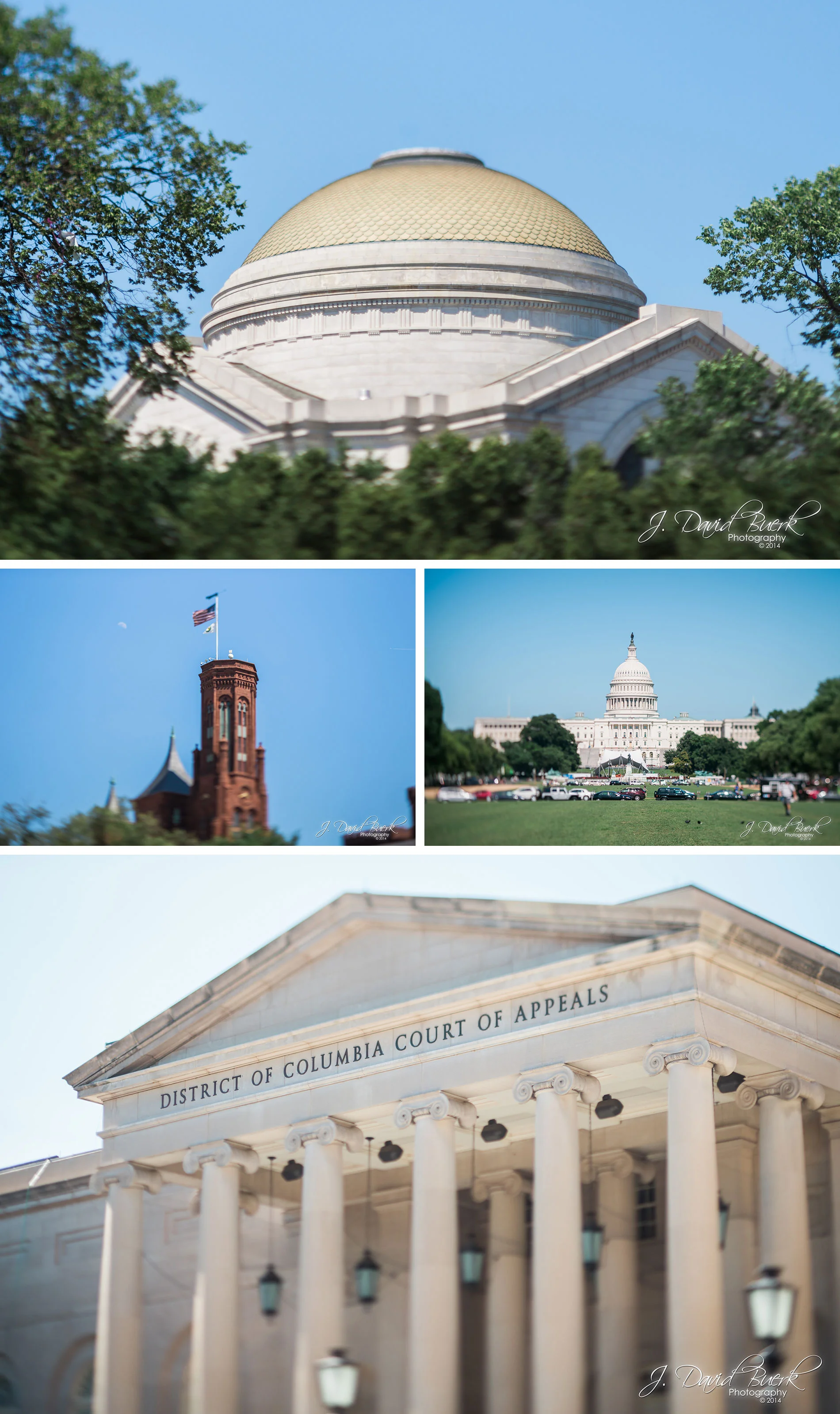
For fun trips, I usually like to have a bit of fun with my shooting as well - usually I choose one lens, and shoot the whole day with it. It's a good exercise for beginner and seasoned photographers alike, because it continually teaches and reinforces how to make compelling images with any lens. This way, you also don't rely on the versatility of zoom - a prime lens forces the photographer to find a way to tell the story within one set focal length. I tend to prefer longer lenses, because I like to isolate subjects and bring out details, sometimes only showing part of something, and leaving the mind to figure the rest out. My converted Lubitel 75mm is perfect for this sort of thing, however this trip I opted for another oddball lens I own: Canon's Tilt-Shift 90mm f/2.8 - another fully manual lens. Tilt-shift has become somewhat of a gimmick with the popularity of Instagram effects, but since I'm using an actual tilt-shift lens and not just faking the effect, I feel no shame in making tilt-shift images. #TiltShiftAllTheThings
China